
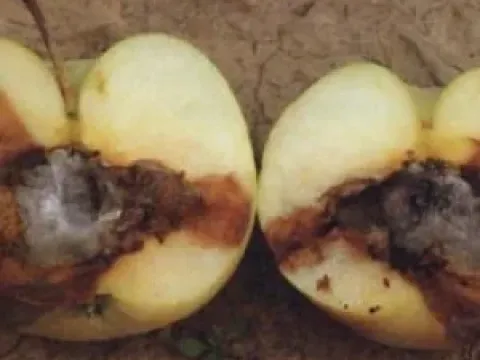
Trichothecium roseum
Trichothecium roseum
Trichothecium roseum is an imperfect fungus belonging to the Ascomycota division. While it exists primarily as a soil-borne saprophyte, it can transition into an opportunistic parasite, causing significant damage to various agricultural commodities.
What the section contains
Trichothecium roseum
Under the microscope, it appears as a mass of hyphae producing characteristically clustered, two-celled, egg-shaped conidia. The macroscopic appearance is defined by its pink or salmon-colored powdery bloom, which serves as a key diagnostic feature.
This fungus exhibits high biological adaptability, allowing it to colonize diverse organic substrates before spreading to susceptible plant tissues. It thrives in various ecological niches, particularly where there is decaying plant material.
The life cycle involves asexual reproduction through the dispersal of conidia by wind and water droplets. Once settled on a suitable host, these spores germinate rapidly, creating a mycelial mat that penetrates the host tissue.
Beyond its physical damage, Trichothecium roseum is known to produce mycotoxins, such as trichothecenes, which present significant risks to food safety and may require strict monitoring in agricultural products.
The fungus is notorious for causing post-harvest diseases in pomaceous and stone fruits, including apples, pears, and peaches. It enters the fruit through wounds or natural openings, leading to internal decay.
Vegetable crops, such as tomatoes, cucumbers, and melons, are also highly susceptible. The pathogen can devastate entire batches of produce during storage if environmental conditions are not properly regulated.
In viticulture, it causes significant losses by attacking grape bunches, particularly as the berries approach maturity. The infection often leads to the degradation of entire clusters, making them unmarketable.
Seed-borne infections in cereal crops are common, resulting in reduced germination rates and weakened seedling vigor, which ultimately decreases final crop yields.
Ornamental plants are also affected, with the fungus damaging flower buds and petals, resulting in aesthetic and financial losses in the floriculture sector.
The pathogen is most active during the latter half of the growing season when warm temperatures and high humidity promote spore dispersal and infection. Rainy conditions frequently trigger disease outbreaks in the field.
Storage environments are critical, as the fungus maintains steady growth even in indoor settings. Improper ventilation or cooling systems allow the pathogen to spread from infected fruit to healthy ones within the container.
The summer season is particularly dangerous due to high insect activity. Insect damage to fruit skin provides essential entry points for the fungal spores to colonize the host tissues.
Temperature fluctuations between 20°C and 25°C are ideal for rapid colonization. However, the fungus can survive and grow at lower temperatures, which is a major concern for cold storage facilities.
Harvesting time is a high-risk period, as mechanical bruising or cuts on fruit surfaces become primary sites for fungal infection and subsequent development of the characteristic pink mold.
Initial infection manifests as small, discolored spots on the surface of the fruit. As the fungus progresses, these spots expand, and a thick, pinkish, powdery mycelial layer develops on the surface.
The underlying tissue of the host quickly softens and turns brown, eventually becoming watery or mushy. The decomposition process is rapid, leading to the complete breakdown of the plant tissue.
On stems and branches, the disease appears as necrotic lesions that can girdle the plant, cutting off nutrient transport and causing wilting of the affected upper sections.
In seeds, the sign of infection includes a distinct pink or white powdery coating and a noticeable dulling of the seed coat, often visible under moderate magnification.
- Surface growth of a distinctive pink powdery bloom.
- Rapid softening and watery decay of host tissues.
- Sunken brown lesions on the skin of fruits.
- Unpleasant odor associated with rotting plant material.
- Premature decay and wilting of floral parts.
Sanitation of storage facilities is the first line of defense. Thorough cleaning and disinfection of crates, shelves, and walls are necessary to eliminate potential spore reservoirs before new harvests are introduced.
During the growing season, strategic applications of fungicides help keep pathogen levels under control. Copper-based compounds and various systemic fungicides are commonly utilized to prevent infection.
Minimizing mechanical damage during harvest is essential. Intact fruit skins act as a strong natural barrier, preventing the fungus from gaining a foothold and initiating the decay process.
Integrated pest management (IPM) is vital to reducing the incidence of wounds on fruit, thereby decreasing the potential for secondary fungal infections by Trichothecium roseum.
Emerging research supports the use of biological control agents, such as beneficial Trichoderma species, which compete with the pathogen for resources and space, effectively suppressing its spread in organic production systems.