
Trichoderma koningii
Trichoderma koningii
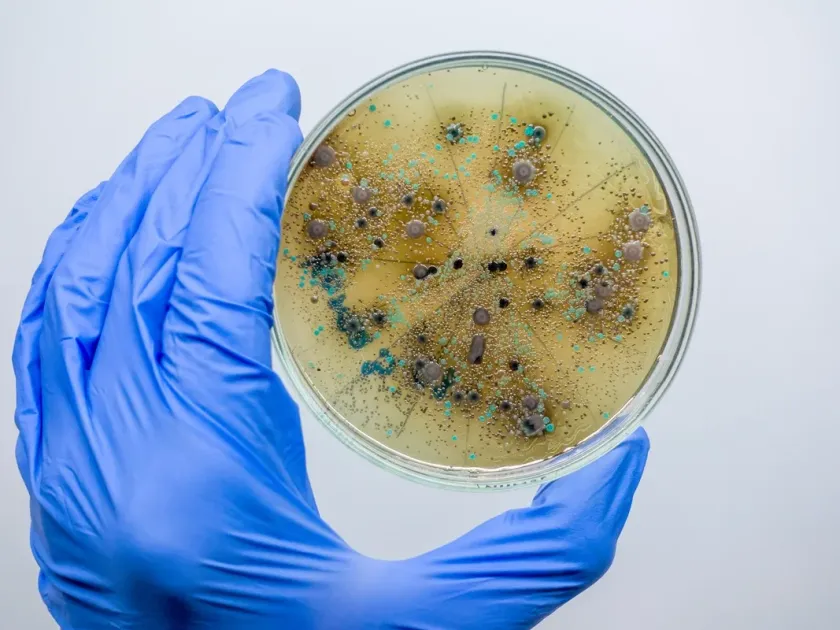
Description
How to identify
Trichoderma koningii is a fungal species belonging to the order Hypocreales, family Hypocreaceae. While some species within this genus are beneficial biological control agents, T. koningii can act as an opportunistic pathogen in various agricultural settings.
The fungus is characterized by its rapid mycelial growth, which initially appears white but turns green or olive-green as conidiation occurs on the surface of colonized substrates.
It possesses a complex enzymatic machinery, including cellulases and proteases, which allows the fungus to degrade plant tissues and penetrate the host cell walls effectively.
Reproduction is primarily asexual through the formation of conidia, which are easily dispersed by wind, water splashes, and agricultural tools, leading to rapid field distribution.
The fungus survives in the soil through the formation of robust chlamydospores, allowing it to persist for long periods even in the absence of a susceptible host plant.
What it damages
The primary damage caused by T. koningii involves the roots and the basal stem tissue, resulting in decay and dysfunction of the vascular system in crops.
Seedlings are particularly vulnerable; infection often leads to pre-emergence or post-emergence damping-off, which can devastate nursery and greenhouse plant populations.
In mature plants, the infection manifests as stunted growth, yellowing of foliage, and reduced yields due to the poor uptake of water and essential mineral nutrients.
The fungus can also contaminate produce, such as root vegetables or fruits, causing post-harvest rots that significantly reduce the market value and storage life.
By disrupting the plant's nutrient uptake, the pathogen leaves the crop vulnerable to further stress from abiotic factors like drought or salinity.
When it appears
The disease development is most prevalent during periods of high soil moisture and moderate temperatures, which are optimal for fungal spore germination.
Spring and autumn seasons often provide the necessary environmental conditions for T. koningii to thrive and colonize new plant tissue effectively.
Greenhouse environments provide stable conditions that can support the continuous development of the fungus if hygiene protocols are not strictly maintained.
Heavy rainfall periods increase the risk of spread by facilitating the movement of spores across the soil surface and promoting waterlogged soil conditions.
During winter, the fungus remains dormant in the form of survival structures, waiting for the return of favorable conditions for active growth.
Signs of infestation
Early symptoms include a sudden wilting of the plant that does not recover during the night, even if soil moisture levels appear to be adequate.
Inspection of the root system often reveals browning, softening, or rotting of the finer roots, which may be covered in a white, cottony mycelial growth.
In seedlings, the stem at the soil line often becomes dark, constricted, and watery, eventually causing the plant to collapse or topple over completely.
The soil surface around the affected plant may display a characteristic greenish tint, indicating active sporulation of the fungus.
- Wilting of leaves
- Root discoloration
- Basal stem rot
- Spore mass on plant tissue
Control measures
Cultural management practices, such as crop rotation and the removal of infected debris, are essential to break the infection cycle in the soil.
Improving soil drainage and avoiding excessive irrigation are critical measures to prevent the buildup of moisture that facilitates fungal colonization.
Sterilization of greenhouse substrates and cleaning of tools with appropriate disinfectants help to prevent the introduction of the pathogen into new areas.
Seed treatments with registered fungicides can provide early-stage protection, helping plants establish a strong root system before environmental exposure.
Monitoring the fields regularly for early signs of wilting and removing symptomatic plants can limit the spread of the pathogen to neighboring crops.
Causes diseases · 1
Discussion
No discussions yet — be the first.