
Phoma nebulosa
Phoma nebulosa
Phoma nebulosa is an anamorphic fungus belonging to the order Pleosporales. It is a well-known plant pathogen responsible for various spot diseases on a wide range of herbaceous host plants.
What the section contains
Phoma nebulosa
The fungus is characterized by the production of pycnidia, which are asexual fruiting bodies that contain numerous conidia. These structures are essential for the survival and dispersal of the pathogen.
Phoma nebulosa is a soil-borne and seed-borne pathogen, often persisting on crop debris for several seasons. Its ability to remain latent makes it a resilient inhabitant of agricultural fields.
Microscopic examination typically reveals small, hyaline, one-celled conidia exiting the pycnidia in slimy masses. This feature is diagnostic for many Phoma species found in field conditions.
The taxonomic classification places it within the family Didymellaceae, reflecting its close relationship with other major crop pathogens that require similar management practices in integrated pest management programs.
This pathogen has a wide host range, primarily affecting plants in the Amaranthaceae, Chenopodiaceae, and Asteraceae families. It is frequently observed on various beets and spinach crops.
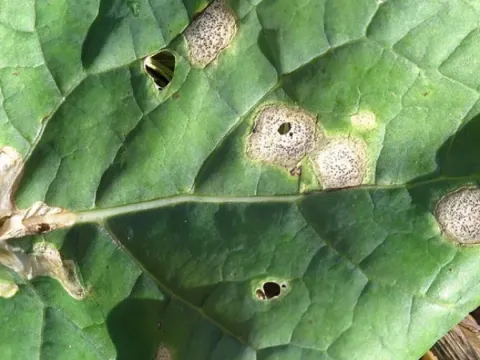
The damage caused by Phoma nebulosa involves the formation of necrotic spots on leaves and stems. As the infection progresses, these spots coalesce, leading to extensive tissue death and leaf blight.
In addition to damaging the foliage, the fungus can infect the stem, causing stem cankers that weaken the structural integrity of the plant, potentially leading to lodging or total collapse.
Economic losses arise from reduced photosynthetic capacity, which directly translates into lower biomass production and lower yields. For seed crops, infection can lead to poor seed quality and germination rates.
Furthermore, the fungus acts as a significant contributor to overall crop stress, making the plants more susceptible to secondary infections and unfavorable environmental conditions.
Phoma nebulosa thrives in environments characterized by moderate temperatures and high humidity. It is particularly active during the spring and autumn seasons when rainfall is abundant.
The primary inoculum often originates from infected plant residue left in the field. Rain splash and wind-blown water droplets effectively transport spores from the soil to the lower leaves of the crop.
High relative humidity and frequent dew are essential for the germination of conidia and the penetration of the plant epidermis. Consequently, periods of fog and rainy weather facilitate rapid disease spread.
While the pathogen is less active during hot and dry summer days, the pycnidia remain viable on plant debris. They wait for favorable moisture levels to resume their infection cycle.
In greenhouses, where microclimates are controlled, the fungus can persist and cause damage throughout the entire growing season if sanitation protocols are not strictly followed.
Initial infection signs manifest as small, rounded spots on the leaves. These lesions gradually expand and may become irregular in shape, often developing a pale center with a distinct darker margin.
The most distinctive feature of Phoma nebulosa is the appearance of tiny, black, dot-like pycnidia within the necrotic lesions. These can be seen with the naked eye or a magnifying lens.
Stem infections typically appear as elongated, brownish stripes or sunken cankers. If the infection circles the stem, the portion of the plant above the lesion will eventually wilt and die.
Severely infected leaves tend to become chlorotic and wither prematurely. Under high humidity, a faint, grayish spore mass may be visible on the surface of the lesions.
In the field, infected plants may show stunted growth and poor vigor compared to neighboring healthy plants, which is often the first visual cue for an agronomist to conduct a more detailed inspection.
A robust crop rotation strategy is the most effective way to manage Phoma nebulosa. Avoiding susceptible host crops for at least three to four years helps to reduce the inoculum level in the soil.
Field sanitation is critical; removing or deeply incorporating crop residues into the soil prevents the fungus from overwintering and provides a fresh start for the subsequent planting.
- Using certified, disease-free seed that has been treated with appropriate fungicides.
- Controlling alternative weed hosts, such as wild amaranth or lambsquarters, to minimize reservoirs.
- Optimizing plant spacing to ensure better air circulation and lower canopy humidity.
- Applying systemic fungicides at the early stages of disease development to curb spread.
Integrated management should prioritize chemical control only when the economic threshold is reached or when environmental forecasts indicate a high risk of disease flare-ups.
Maintaining optimal soil fertility, especially balanced potassium and phosphorus levels, enhances the plant's natural resistance, thereby reducing the impact of the infection.