
Phoma leaf spot of orchids
Phoma oncidii-sphacelati
Description
How to identify
Phoma leaf spot is caused by the fungus Phoma oncidii-sphacelati, a member of the kingdom Fungi. This pathogen is highly specialized and known for affecting various ornamental orchid species.
The fungus reproduces via pycnidia, which are small, flask-shaped fruiting bodies. These structures produce numerous conidia, which are the primary spores responsible for spreading the disease.
In a clinical or lab setting, the pathogen is identified by observing the presence of these pycnidia on the necrotic tissue of the leaves or pseudobulbs using a microscope.
The fungus colonizes plant tissues by secreting enzymes that degrade cell walls, allowing the hyphae to spread through the intercellular spaces effectively.
Because Phoma species are common environmental fungi, accurate identification is crucial to distinguish this specific orchid pathogen from common saprophytic molds found in potting media.
What it damages
This pathogen primarily targets orchids in the Oncidium, Cattleya, and Laelia groups. It causes significant necrotic lesions on foliage and, in severe cases, the pseudobulbs.
The disease starts as small spots that gradually enlarge, causing the leaf tissue to lose turgor and eventually die. This significantly reduces the plant's photosynthetic capacity.
If left untreated, the infection can spread to the pseudobulbs, leading to soft, black rot. This is often fatal to the plant if the infection reaches the rhizome or roots.
Inflorescences can also be affected, leading to bud blast and premature flower drop, which ruins the plant's aesthetic value for hobbyists and professional growers.
The damage caused by the fungus often opens the door for secondary infections by opportunistic bacteria, complicating the overall health of the orchid specimen.
When it appears
The disease thrives in conditions of high relative humidity and poor air circulation. It is most prevalent during the rainy season or in poorly managed greenhouse environments.
Temperature plays a key role, with the pathogen being most active at moderate temperatures between 20°C and 26°C, especially when combined with moisture on the foliage.
Lack of proper lighting, which occurs frequently in winter, weakens the plant's natural defense mechanisms, making it much easier for the fungal spores to establish infection.
Overcrowded conditions in collections allow spores to be easily transmitted between plants by splashing water or moving air, leading to rapid disease outbreaks.
The fungus can remain dormant in the potting medium or greenhouse structures for long periods, becoming active as soon as favorable conditions for its growth return.
Signs of infestation
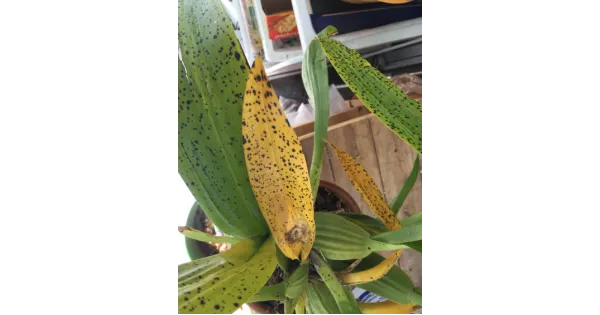
Initial symptoms include small, depressed, circular spots that are light brown or yellow. As the infection progresses, these spots darken significantly.
A hallmark sign of Phoma infection is the emergence of tiny, black, pimple-like structures within the necrotic spots, which are the pycnidia releasing fungal spores.
The tissue affected by the fungus eventually becomes thin, brittle, and dry. Often, a dark, distinct border forms around the lesion, separating it from the healthy leaf tissue.
- Presence of sunken, dark necrotic lesions.
- Visible black pycnidia scattered on the spots.
- Yellowing or chlorosis surrounding the infected areas.
- Soft rot developing on pseudobulbs in advanced stages.
Deformed leaves are another common sign, as the fungus interferes with normal tissue development during the growth of new vegetative shoots.
Control measures
The first line of defense is strict sanitation. All infected plant material should be pruned with sterilized tools, cutting well into the healthy tissue to remove all signs of infection.
Avoid overhead watering or misting, as moisture on the leaves facilitates the germination of fungal spores. Direct irrigation at the base of the plant is recommended.
Chemical control involving systemic fungicides containing triazoles or copper-based compounds is effective if applied during the early stages of the disease.
Improving greenhouse ventilation is essential. High-velocity fans help dry the plant surfaces quickly and disrupt the cycle of spore landing and germination.
Regular monitoring of the collection is vital, as early detection prevents the need for drastic measures and helps maintain the overall health of the orchid population.
Causes diseases · 3
Discussion
No discussions yet — be the first.