
Phoma stem canker
Phoma lingam
Phoma stem canker is caused by the fungus Phoma lingam (sexual stage: Leptosphaeria maculans). This pathogen belongs to the Ascomycota phylum.
What the section contains
Phoma stem canker
The fungus survives on infected crop residues in the soil through pycnidia and pseudothecia, which serve as the primary source of infection for new seasons.
Spore dispersal is facilitated by rain splashes and wind, which transport the inoculum from residue to the leaves of emerging seedlings.
Optimal conditions for pathogen development include high humidity and moderate temperatures, ranging between 15°C and 20°C, which favor mycelial growth.
Infection is systemic, as the fungus penetrates the plant tissue and colonizes the xylem, eventually causing severe tissue degradation and vascular wilting.
The pathogen is a major threat to the Brassica family, with oilseed rape (canola) being the most economically impacted crop globally.
Other hosts include cabbage, broccoli, cauliflower, Brussels sprouts, and mustard, making it a critical concern for both oilseed and vegetable production.
Yield losses result from stunted growth, reduced plant density due to seedling death, and lodging of mature plants caused by basal stem decay.
Severe infections interrupt the flow of water and nutrients, leading to poor seed fill and significantly lower oil content in the harvested crop.
Economic impact is compounded by the pathogen's ability to remain viable in the soil, necessitating long-term land management strategies.
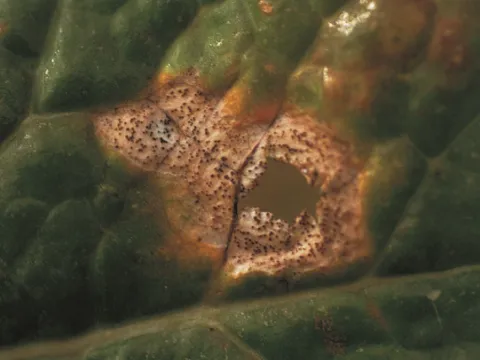
Early symptoms appear as light gray lesions on cotyledons and leaves, often dotted with small, black, visible fungal fruiting bodies known as pycnidia.
As the disease progresses, stem cankers form at the base of the plant, characterized by dark, sunken lesions with a lighter grey-white center.
Advanced stages of the disease feature brittle stem bases that are prone to snapping, leading to sudden plant collapse under windy conditions.
Pod infection presents as dark, necrotic spots, resulting in premature splitting and substantial seed losses during the harvest period.
Root systems may show signs of internal decay and browning, which prevents efficient nutrient uptake and exacerbates the overall stress on the plant.
Strategic crop rotation is the most effective management tool, ensuring at least a 3 to 4-year break between susceptible brassica crops.
The use of certified, fungicide-treated seeds prevents the introduction of the pathogen into fields that are currently free of the disease.
Effective management of crop residues, including deep incorporation, reduces the amount of primary inoculum surviving through the winter months.
Application of systemic fungicides during the early leaf development stages is crucial to protect the canopy from becoming a source of spread.
- Cultivating resistant hybrids that have proven tolerance to specific local isolates.
- Eliminating cruciferous weeds that can host the fungus in the absence of crops.
- Balanced nutrient application, particularly phosphorus, to strengthen plant tissues.