
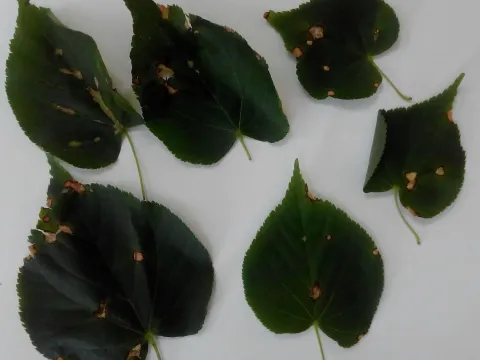
Gloeosporium rot
Gloeosporium inconspicuum
Gloeosporium rot is a fungal disease caused by the pathogen Gloeosporium inconspicuum. It is a common problem in commercial orchards, specifically affecting pomaceous fruits by causing necrotic lesions on various plant organs.
What the section contains
Gloeosporium rot
The fungus is categorized as an ascomycete. It spreads primarily through conidia, which are produced in acervuli that rupture the plant epidermis during moist conditions. These spores are easily disseminated by wind, rain splashes, and insects.
The survival of the pathogen depends on its ability to overwinter in infected twigs, pruning stubs, and mummified fruits left in the canopy or on the ground. This persistence makes it a recurring threat for orchardists.
Diagnostic identification typically involves microscopic observation of the conidial masses, which appear as small, often pinkish or yellowish tufts within the infected tissue areas.
The pathogen is opportunistic, often targeting weakened trees or tissues with existing mechanical damage. However, in favorable conditions, it can infect healthy fruit through lenticels or micro-cracks in the skin.
The primary economic damage is focused on fruit spoilage. Infected fruits develop internal and external rot, rendering them unsuitable for both fresh market consumption and long-term storage.
In addition to fruit rot, the fungus affects the woody parts of the tree. It creates necrotic cankers on branches, which can lead to reduced vigor, impaired sap circulation, and even partial dieback of limbs.
Losses caused by this pathogen can be significant, especially during post-harvest storage. Even fruits that appear healthy at the time of picking can develop severe rot symptoms if latent infections were established in the field.
Chronic infestation of the orchard reduces the overall productivity of trees over several years, leading to increased sensitivity to environmental stress and other opportunistic pathogens.
Farmers face substantial costs associated with sorting and grading harvested produce, as even a small number of infected fruits can lead to mass decay within a storage bin or container.
The pathogen initiates its activity in the spring, triggered by rising temperatures and high humidity. The optimal range for spore germination and infection establishment is between 15°C and 22°C.
Throughout the summer, the pathogen undergoes multiple cycles of sporulation, especially after periods of rainfall. High relative humidity is the main driver for the spread of conidia throughout the orchard canopy.
The period immediately preceding harvest is critical, as fruit susceptibility increases during maturation. Infections often occur in late summer, but symptoms may remain latent until the fruits are moved to cooler storage facilities.
Winter serves as the dormant season for the fungus, during which it remains viable within infected bark and dried fruit remnants. This ensures the survival of the population until the next spring.
The biological cycle is tightly synchronized with the phenological phases of the host plant, requiring proactive monitoring and timely protection measures during the most vulnerable development stages.
Visible symptoms on fruits start as small, circular, slightly sunken brown spots. As the infection progresses, these spots expand, covering significant portions of the fruit's surface and softening the underlying pulp.
A distinctive feature is the development of spore-bearing structures in the center of the lesions. Under humid conditions, these manifest as small, slightly elevated, cream-to-pinkish colored cushions.
Branch symptoms include bark cracking and the formation of elongated, sunken cankers. These areas often appear dark and necrotic, sometimes showing distinct margins where healthy and infected tissues meet.
Foliar symptoms may include necrotic spotting and yellowing, often leading to premature abscission of leaves, which weakens the tree's photosynthetic capacity before winter.
The overall tree health often declines as the infection spreads, with a noticeable decrease in annual shoot growth and a general look of distress in the canopy.
Sanitation is the cornerstone of control. Removing mummified fruits, pruning infected branches, and clearing debris from the orchard floor significantly lowers the primary inoculum pressure for the next season.
Chemical control involves the strategic application of fungicides, particularly during the pre-blossom and post-blossom stages, as well as shortly before harvest to prevent latent storage infections.
Orchard management practices, such as proper pruning and thinning, are essential to improve air circulation within the canopy, which helps in drying foliage and reducing the window of opportunity for spore germination.
Post-harvest management is equally important; fruits should be stored in controlled-atmosphere facilities with regulated humidity levels to inhibit the development of hidden infections.
- Use of disease-resistant varieties in new plantings.
- Application of copper-based sprays for early-season protection.
- Integrated nutrient management to boost the tree's natural resilience.