
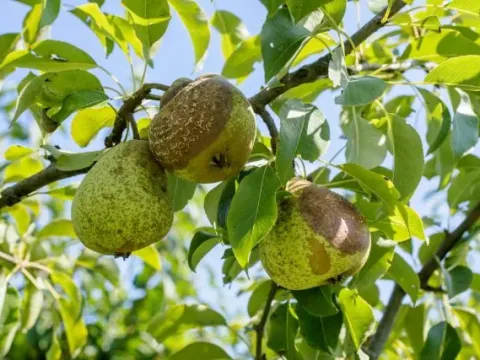
Gloeosporium
Gloeosporium
Gloeosporium is a genus of imperfect fungi belonging to the Ascomycota division. It serves as a significant plant pathogen responsible for various blights and fruit rot diseases, commonly known as anthracnose or bitter rot depending on the host species.
What the section contains
Gloeosporium
The pathogen is classified within the kingdom Fungi. Its life cycle involves the formation of acervuli—cushion-shaped structures that break through the plant epidermis to release masses of conidia, which act as the primary dispersal units for the disease.
Gloeosporium fungi are obligate or facultative parasites that have evolved to survive in diverse environments. They typically persist in infected plant debris, such as fallen leaves, dead twigs, and mummified fruits left on branches throughout the winter months.
The spread of the pathogen is highly dependent on environmental factors, particularly moisture. Rainfall or high humidity facilitates the release and transport of conidia, making orchards particularly vulnerable during wet springs and summers.
Understanding the biology of these fungi is critical for effective management. Because they can remain dormant in the host tissue, they often reappear in the same locations year after year if sanitization efforts are not strictly followed.
This pathogen causes severe economic losses in orchards, specifically targeting apples, pears, and grapes. The characteristic damage involves fruit rot, which renders the produce inedible and unmarketable due to the bitter taste caused by the fungus.
Beyond fruit, the pathogen attacks young shoots and leaves. This can lead to shoot dieback, stunted growth, and premature defoliation, which severely stresses the tree and reduces the total yield potential for subsequent seasons.
In nurseries, Gloeosporium can cause significant damage to young saplings. Infection of the bark creates cankers that can weaken the structure of the young tree, making it more susceptible to environmental stressors and secondary pests.
Post-harvest losses are a major issue associated with Gloeosporium. Fruits may appear healthy during the harvest but develop dark, sunken lesions while in storage, leading to rapid decay and contamination of adjacent sound fruits.
The cumulative damage includes not only direct loss of crops but also the long-term impact on tree health, leading to decreased vigor and productivity, which shortens the lifespan of the orchard plantation.
The primary symptom on fruits is the appearance of small, sunken spots that expand into larger, brownish-black lesions. These lesions often show a concentric ring pattern as the fungus produces more spores.
Within the center of the lesions, small, pinkish, or cream-colored pustules (acervuli) appear. These are mass collections of conidia that are easily dispersed by water droplets, rain splashes, or wind during humid conditions.
The flesh beneath the infected areas of the fruit becomes soft and tastes bitter. As the rot progresses, the internal tissue structure breaks down, and the entire fruit may turn into a shriveled, dark mummy.
On woody stems and branches, the infection manifests as necrotic cankers. The bark in these areas may split, and the lesion edges often become thickened as the plant attempts to form a barrier against the spreading infection.
Leaf symptoms appear as irregular necrotic spots, often bordered by a darker margin. Infected leaves may turn yellow and fall off prematurely, significantly reducing the tree's ability to undergo photosynthesis during the peak growth period.
Sanitation is the cornerstone of Gloeosporium management. Growers must prune out infected branches and remove all mummified fruits from the trees, as these are the primary reservoirs for the fungus during the off-season.
Cleaning up the orchard floor is essential. Fallen leaves and dropped fruit should be raked and burned or buried deep in the soil to disrupt the pathogen's ability to produce spores in the coming spring.
Chemical control usually begins with dormant season sprays using copper-based fungicides to reduce the inoculum level before the buds start to swell. This protective measure is vital for maintaining a clean canopy.
During the growing season, systemic fungicides such as triazoles or strobilurins are used to manage infections. It is important to alternate between different chemical groups to minimize the risk of the pathogen developing fungicide resistance.
Cultural practices should also focus on maintaining tree vigor through balanced fertilization and proper irrigation. Ensuring good airflow within the canopy through regular pruning helps keep humidity low, making the environment less favorable for the fungus.