
Globisporangium ultimum
Globisporangium ultimum
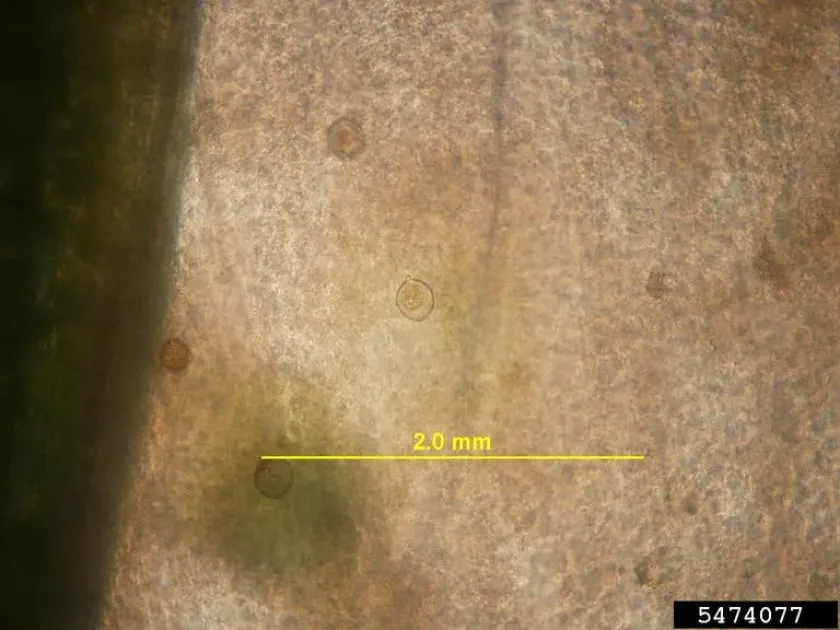
Description
How to identify
Globisporangium ultimum (formerly known as Pythium ultimum) is a destructive soil-borne oomycete pathogen. It belongs to the class Oomycetes, commonly referred to as water molds.
The organism thrives as a saprophyte on organic matter but becomes a potent pathogen when host roots release exudates that stimulate the germination of its dormant structures.
Its mycelium is coenocytic (lacking cross-walls) and rapidly colonizes susceptible plant tissues, causing systemic damage to the vascular and root systems of the host.
A distinctive biological feature is the production of thick-walled oospores, which allow the pathogen to persist in agricultural soils for many years, even in the absence of a host.
Identification is typically achieved through microscopic observation of its sporangia and the characteristic oospores, distinguishing it from other Pythium and Globisporangium species.
What it damages
This pathogen has an extremely broad host range, infecting hundreds of plant species, including vegetables, cereals, and ornamental crops, leading to significant economic losses globally.
It is one of the primary causes of "damping-off," a condition where seedlings collapse and die shortly after germination due to the rot of the hypocotyl and root system.
In mature plants, the pathogen causes root rot, characterized by the destruction of fine feeder roots, which severely impairs the plant's ability to take up water and vital nutrients.
Symptoms often manifest as stunting, chlorosis, and wilting, which are exacerbated by high soil moisture levels and poor soil aeration conditions.
Beyond root damage, the pathogen can also cause post-harvest rot in root crops and tubers if they are contaminated during the growing season or through contact with infested soil.
When it appears
Globisporangium ultimum is most active in cool to moderate temperature regimes, which often coincide with early spring planting or indoor greenhouse production cycles.
High soil moisture is the primary driver of infection, as it facilitates the release and motility of zoospores, which "swim" through soil pores to reach the root surface.
While extremely active under cool conditions, the pathogen is resilient and can survive hot, dry summers in the form of durable oospores residing deep within the soil profile.
In greenhouse settings, continuous cropping and recurring watering cycles create a perpetual environment for the pathogen to thrive, necessitating strict environmental controls.
Understanding the seasonal patterns allows farmers to time their planting effectively, ensuring that seedlings can establish root systems before the pathogen reaches peak activity.
Signs of infestation
The earliest symptom is the emergence of water-soaked, necrotic lesions at the base of the stem in seedlings, leading to rapid collapse (damping-off).
Root symptoms include a distinct brown discoloration of the root system, with fine roots becoming slimy and easily disintegrating when handled or examined.
Chlorotic foliage and a general lack of vigor in the canopy are standard above-ground indicators that the root system has been compromised by the pathogen.
In containerized nursery stock, the disease often appears in patches, spreading rapidly if the same water source or substrate is used across multiple plant trays.
- Stem lesions at the soil line.
- Root system necrosis and browning.
- Stunted growth and leaf yellowing.
- Seedling mortality (damping-off).
Control measures
Integrated pest management (IPM) is essential for controlling Globisporangium ultimum, focusing on cultural, chemical, and biological intervention strategies.
Cultural practices like improving soil drainage, utilizing well-draining substrates, and avoiding over-irrigation are critical to reducing the moisture levels required by the pathogen.
Seed treatment with systemic fungicides provides a vital protective barrier, shielding vulnerable germinating seeds from the soil-borne inoculum during the early establishment phase.
Biological control agents, such as beneficial Trichoderma species or specific Bacillus strains, can colonize the root zone and outcompete the pathogen for resources.
Rigorous sanitation measures in greenhouses, including the disinfection of tools, pots, and irrigation systems, are necessary to prevent the spread and re-infestation of clean crops.
Causes diseases · 3
Discussion
No discussions yet — be the first.