
Gloeocercospora inconspicua
Gloeocercospora inconspicua
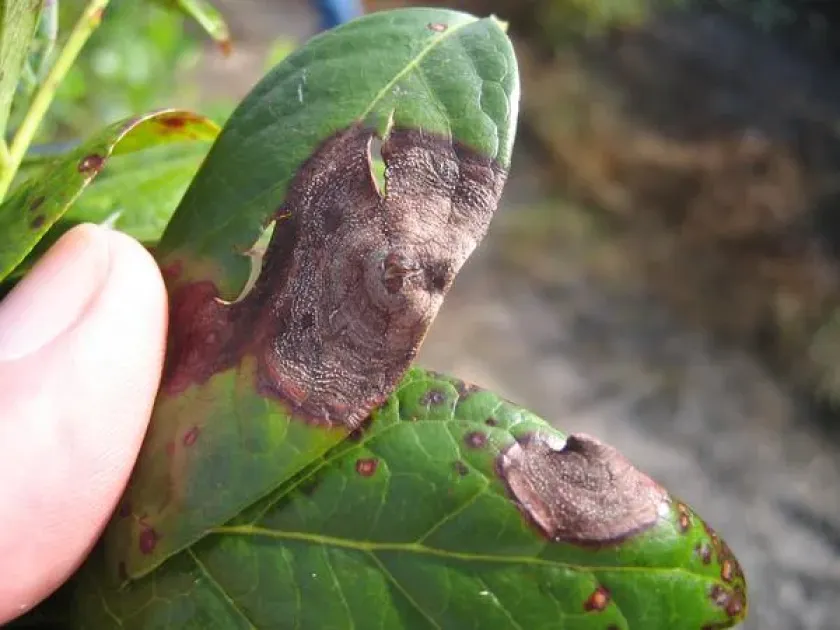
Description
How to identify
Gloeocercospora inconspicua is a fungal plant pathogen belonging to the phylum Ascomycota, known to cause leaf spot diseases in various plant species, particularly among cereals and grasses.
The fungus develops microscopic reproductive structures called sporodochia, which produce conidia — thin, often curved spores that serve as the primary means of spreading the infection during the growing season.
This pathogen is phylogenetically related to other cercosporoid fungi and is well-adapted to moderate climates, where it persists through various developmental stages within host tissues.
The mycelium penetrates leaf tissues and colonizes the intercellular spaces, gradually causing the necrosis of the infected areas as the fungal infection progresses.
Accurate identification of Gloeocercospora inconspicua often requires microscopic analysis of the conidia and sporodochia, as symptoms may resemble those caused by other common leaf spot pathogens.
What it damages
The primary hosts for this fungus include cereal crops, where the pathogen targets leaves, significantly reducing the surface area available for photosynthesis.
By causing extensive necrotic spotting, the fungus limits the plant's ability to produce energy, which directly correlates to a reduction in biomass accumulation and final yield quality.
In severe cases, the infected leaves wither and drop prematurely, leading to overall plant stress and increased susceptibility to other biotic and abiotic environmental factors.
Infection of leaf sheaths and stems can impair the transport of essential nutrients, which is particularly detrimental if the disease peaks during the grain-filling stage of development.
Economic damage becomes significant when environmental conditions favor rapid spread, potentially leading to localized epiphytotics that can devastate crop performance in susceptible cultivars.
When it appears
The infection cycle is closely linked to the growing season, with the pathogen remaining active as long as the temperature and humidity conditions are favorable for fungal growth.
The fungus overwinters in infected plant debris, using these remnants as a reservoir of inoculum that activates when favorable temperatures return in the spring.
The spread of conidia is most intense during mid-summer, especially when frequent rain events splash the spores from lower, infected leaves to the healthy upper canopy.
Free moisture on the leaf surface is a crucial requirement for the germination of conidia, facilitating the entry of the fungus into the plant's vascular or cellular tissue.
Once the host reaches maturity or environmental conditions turn dry and unfavorable, the fungus enters a dormant state within the residual plant matter, waiting for the next season.
Signs of infestation
The earliest symptoms of infection appear as small, chlorotic spots that gradually expand, turning brown or dark grey as the tissue within the spot dies.
These spots often exhibit an elongated or oval shape, typically bordered by a darker, distinct margin that helps distinguish this pathogen from other leaf diseases.
Under high-humidity conditions, minute dark fruiting bodies (sporodochia) can be observed on the surface of the lesions, appearing as tiny black dots under magnification.
As the disease progresses, individual lesions may coalesce to form large necrotic patches, eventually causing the entire leaf tissue to collapse and become brittle.
Advanced stages of the disease manifest as widespread yellowing and wilting, often leading to the premature death of the leaf and significant reduction in crop canopy vigor.
Control measures
Effective management begins with strict crop rotation practices, which effectively break the life cycle of the pathogen by denying it a suitable host for successive seasons.
Deep plowing of crop residues is an essential cultural practice that helps bury infected debris, accelerating decomposition and reducing the initial inoculum load in the field.
Selecting resistant cultivars remains the most sustainable and efficient strategy to mitigate the risk of severe infection and maintain productivity in high-risk areas.
- Application of systemic fungicides at the onset of symptoms.
- Removal and destruction of weeds that may serve as alternative hosts.
- Balanced fertilization to optimize plant health and natural resistance.
When chemical intervention is required, fungicides should be applied according to local regulations, focusing on protecting the younger, developing leaves from secondary spread.
Causes diseases · 1
Discussion
No discussions yet — be the first.