
Gloeodes pomigena
Gloeodes pomigena
Description
How to identify
Gloeodes pomigena is a fungal pathogen responsible for the condition commonly known as sooty blotch on pome fruits, particularly apples. It belongs to the class Dothideomycetes and typically manifests as surface-level colonies on fruit skin.
The pathogen is strictly superficial, meaning it colonizes the fruit cuticle without penetrating the flesh. This characteristic distinguishes it from pathogens that cause rot or physical damage to the interior of the apple.
The life cycle involves the survival of the fungus as mycelium on twigs and debris in the orchard. During the growing season, spores are spread primarily by rain and wind to the developing fruitlets.
Microscopic identification reveals dark, branched hyphae and small pycnidia. These structures are diagnostic, allowing researchers to confirm the presence of the fungus during field surveys or laboratory analysis.
In many orchards, Gloeodes pomigena occurs in a complex with other superficial fungi like Leptothyrium pomi, collectively contributing to the appearance of sooty blotch and flyspeck disease.
What it damages
The primary damage caused by G. pomigena is the reduction of fruit marketability. The presence of dark, irregular blotches significantly decreases the commercial grade of the apples.
Although the fruit flesh remains intact and safe for consumption, the aesthetic appeal is severely compromised. This leads to economic losses, as consumers prefer clean, bright-skinned produce.
Affected fruits are more prone to moisture loss due to the disruption of the natural waxy cuticle. This can lead to increased shriveling during long-term storage in cold chambers.
The presence of the fungal colonies can also interfere with the gas exchange of the fruit, potentially affecting its maturation and shelf life. This is particularly problematic for high-value export varieties.
Cleaning the fruit to remove the blotches often requires specialized machinery or mechanical washing, which increases post-harvest handling costs and may damage the sensitive skin of the fruit.
When it appears
Symptoms typically begin to appear in mid-to-late summer, as the fruit reaches a size where it can support fungal colonization. Humid weather patterns are critical for the progression of the disease.
High relative humidity (above 90%) and frequent rainfall are the most important environmental factors. The fungus thrives when the fruit surface remains wet for extended periods.
Orchards situated in low-lying areas or those with dense, unpruned canopies are particularly susceptible. These environments prevent rapid evaporation of dew and rainwater, creating a favorable microclimate.
The infection period peaks when the temperatures are mild and rainfall is persistent. Once established, the fungus continues to grow slowly until harvest, often becoming more visible as the fruit skin changes color.
Late-season rainfall can trigger a rapid increase in the size of the blotches, even if the fruit has been relatively clean throughout most of the summer growing season.
Signs of infestation
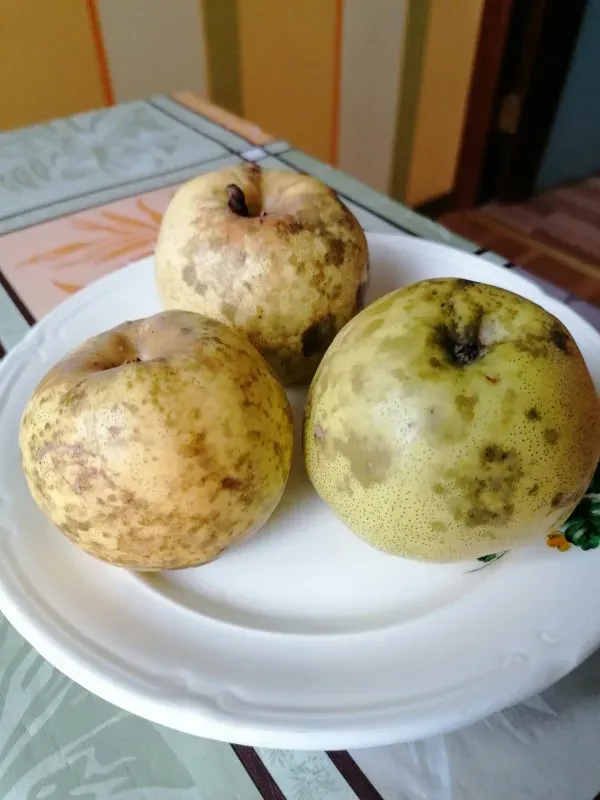
The primary symptom is the appearance of dark, smoky, or soot-like spots on the surface of the fruit. These spots have irregular shapes and fuzzy, ill-defined margins.
The colonies are easily removable with friction, but the fruit skin underneath often appears dull or has a permanently etched, matte appearance compared to healthy skin.
G. pomigena does not cause deep lesions, cracking, or softening of the fruit. The damage is purely cosmetic, but it creates a distinct "dirty" look that impacts overall packout percentages.
In severe cases, the fungal mycelium forms a dense, web-like network over the skin, which can significantly cover the entire surface area of the apple.
- Dark, smoky, or soot-colored blotches on the skin.
- Irregular shapes without distinct borders.
- Colonies that are removable by wiping.
- Loss of natural luster and sheen of the fruit surface.
Control measures
Effective management begins with canopy management. Regular pruning is essential to improve airflow and light penetration, ensuring that fruit surfaces dry quickly after rain.
Sanitation is a vital cultural practice. Removing wild host trees from the orchard surroundings and clearing debris helps reduce the primary inoculum load for the following season.
Fungicides used for scab control in integrated pest management (IPM) programs generally provide effective incidental control of sooty blotch. Application timing should coincide with periods of high rainfall.
Proper thinning of the fruit crop is necessary to prevent fruit-to-fruit contact, which can create localized high-humidity microclimates where the fungus easily spreads.
Modern orchard systems that utilize protective netting or high-precision canopy management can significantly reduce the risk of infection by modifying the microenvironment near the fruit surface.
Causes diseases · 2
Discussion
No discussions yet — be the first.