
Glomerella cingulata
Glomerella cingulata
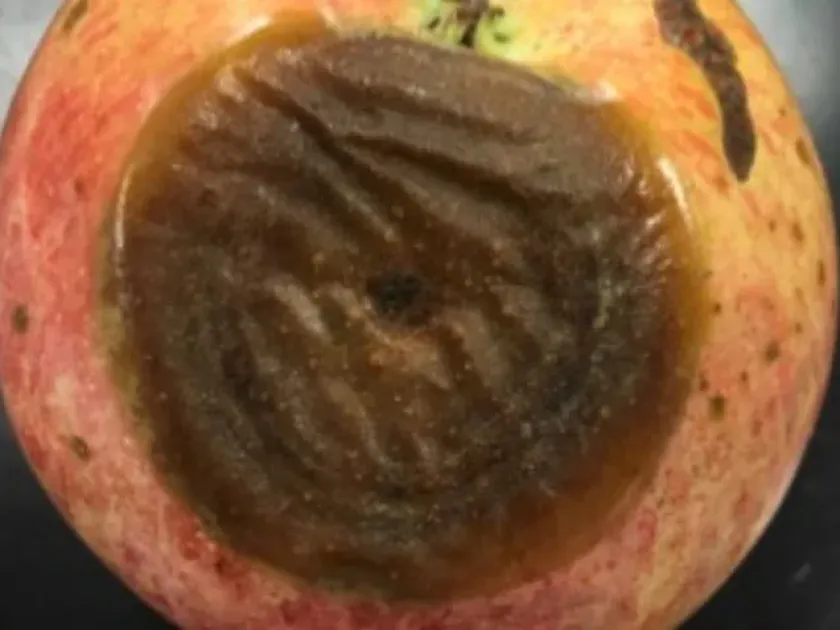
Description
How to identify
Glomerella cingulata is an ascomycete fungus and the teleomorph of the common plant pathogen Colletotrichum gloeosporioides. It is a highly destructive pathogen found in tropical and temperate regions worldwide.
The fungus is characterized by the production of septate hyphae and conidia produced in specialized structures called acervuli. These acervuli often feature dark setae that aid in the identification of the fungus under a microscope.
As a sexual stage, it produces perithecia, which contain asci with ascospores. This sexual cycle contributes to the genetic diversity of the pathogen, making it difficult to manage in commercial agriculture.
It occupies the kingdom Fungi and belongs to the family Glomerellaceae. Its ability to infect hundreds of plant species makes it one of the most economically significant pathogens in modern horticulture.
The fungus is a facultative parasite, meaning it can survive on dead plant tissue as a saprotroph before switching to a parasitic mode when the host plant is stressed or susceptible.
What it damages
This pathogen causes severe diseases such as anthracnose, bitter rot, and various types of leaf spot. It results in massive fruit losses both in the field and during post-harvest storage.
Leaf infection leads to necrotic spots, premature senescence, and leaf abscission, which drastically reduces the plant's capacity for photosynthesis and overall fruit yield.
On stems and branches, the fungus creates lesions that can girdle the plant. These cankers interrupt the transport of water and nutrients, causing the dieback of entire branches or the whole plant.
In greenhouse vegetables, Glomerella cingulata causes damping-off of seedlings and rot on the collar region, leading to rapid plant death and total crop failure in extreme cases.
Beyond visual damage, the fungus produces toxins that degrade fruit quality, resulting in a bitter taste and soft, watery tissue that is unsuitable for processing or fresh consumption.
When it appears
The disease cycle begins in early spring, triggered by rising temperatures and high humidity. Inoculum, surviving in crop debris, becomes active and releases spores upon contact with moisture.
The peak infection period occurs during flowering and fruit set. Rain splash and wind are the primary vectors for transporting conidia from infected branches to healthy, developing fruit.
During the summer, the pathogen proliferates rapidly during humid, warm weather. It can complete its life cycle in a matter of days, leading to devastating outbreaks throughout the garden or plantation.
As autumn approaches, the fungus prepares for overwintering. It produces survival structures in mummified fruits and old leaves that remain attached to the plant or fall to the orchard floor.
Cold winter temperatures do not kill the pathogen; it remains dormant in the form of perithecia or mycelium within woody tissues, waiting for the return of spring conditions.
Signs of infestation
Symptoms initially appear as small, circular, depressed spots on the fruit. As the infection progresses, these spots expand and develop characteristic concentric rings of pink or salmon-colored spores.
Affected fruit tissue turns dark brown and firm at first, then becomes soft and bitter. In advanced stages, the fruit may shrivel and turn into a "mummy" that hangs on the tree.
Branch symptoms include sunken, elongated cankers. In some cases, the bark may crack, and gum or sap exudate may be visible around the infected area, indicating tissue reaction to the invasion.
Leaf symptoms are seen as numerous small brown spots with yellowish halos. If the infection is severe, the leaves roll, wither, and drop prematurely, leaving the tree canopy sparse.
Root collar infection in vegetables presents as dark, necrotic bands at the base of the stem, often resulting in sudden wilting during the hottest part of the day as water uptake is blocked.
Control measures
Strict sanitation is the cornerstone of management. Removing and destroying infected plant debris, pruning dead branches, and thinning mummified fruit are essential to reduce the initial inoculum.
Providing adequate spacing between plants improves air circulation. A well-ventilated canopy stays dry longer, making it difficult for fungal spores to germinate and colonize the tissue.
Chemical control programs involving strobilurins, triazoles, and copper-based fungicides are effective when applied preventively during the high-risk periods of blooming and fruit development.
Proper nutrient management is critical. Avoid excessive nitrogen applications, which create lush, succulent growth that is highly susceptible to fungal penetration and rapid colonisation.
- Regular disinfection of pruning tools to prevent mechanical transmission.
- Selection of resistant varieties tailored to local environmental conditions.
- Effective insect control to prevent physical injury to fruit skin.
- Post-harvest cooling and sanitation of fruit storage facilities.
Causes diseases · 1
Discussion
No discussions yet — be the first.