
Coniothyrium wernsdorffiae
Coniothyrium wernsdorffiae
Coniothyrium wernsdorffiae is a highly specialized phytopathogenic fungus belonging to the order Sphaeropsidales. It is the primary causal agent of infectious rose canker, also known as stem canker, which affects ornamental roses worldwide.
What the section contains
Coniothyrium wernsdorffiae
Systematically, this pathogen is classified within the group of imperfect fungi (Deuteromycetes). It acts as a specialized parasite, targeting the woody tissues of rose stems, leading to systemic structural damage and overall plant decline.
The fungus develops microscopic fruiting bodies called pycnidia, which emerge through the plant epidermis. These pycnidia release large amounts of spores, acting as the primary source of infection for neighboring susceptible plants in gardens and nurseries.
Laboratory diagnosis involves microscopic examination of affected stem sections. The presence of these specific pycnidia within the cortical tissue is a diagnostic hallmark of this pathogen.
Biologically, the fungus is highly adapted to dormant conditions. It retains its virulence throughout the winter months, allowing it to persist in infected plant tissues until the favorable conditions of the next growing season return.
The primary host for this pathogen is the rose (Rosa). It is particularly destructive to hybrid teas, climbing roses, and other ornamental varieties, significantly reducing their aesthetic value and survival rates.
The fungus targets the aerial parts of the plant, specifically the stems. By invading the bark and cambium, it disrupts vascular function, preventing the transport of water and nutrients to the distal parts of the shoots.
Severe infestations frequently lead to the death of entire branches. If the infection reaches the main scaffold or basal stems, the entire rose bush may die, posing a serious threat to the success of rose cultivation.
The fungus typically enters the host through mechanical wounds, frost cracks, or improper pruning cuts. These entry points provide the mycelium with immediate access to susceptible inner tissues.
Plants struggling with poor nutrition, physiological stress, or extreme weather conditions are significantly more susceptible to rapid colonization and damage by this fungus.
The life cycle of the pathogen is closely tied to the plant's seasonal cycle. Infection risk is highest in the early spring, coinciding with the removal of winter protection when temperatures begin to rise and humidity levels remain high.
During the summer, while the rate of infection may decrease, prolonged periods of rain and excessive humidity still provide ideal conditions for spore germination and the infection of new, soft-tissue shoots.
Autumn is a critical period for the fungus as it readies for winter. Plant debris, including fallen leaves and infected stems, can harbour the pathogen, ensuring its presence in the garden for the following season.
The pathogen overwinters within the stem tissues of infected bushes. High humidity underneath winter protective covers creates a perfect, stable environment for the fungus to persist and occasionally spread even during colder months.
Mild and damp winter conditions can lead to increased disease pressure, as the fungus does not undergo a complete dormancy but continues to colonize the host tissues at a slow rate.
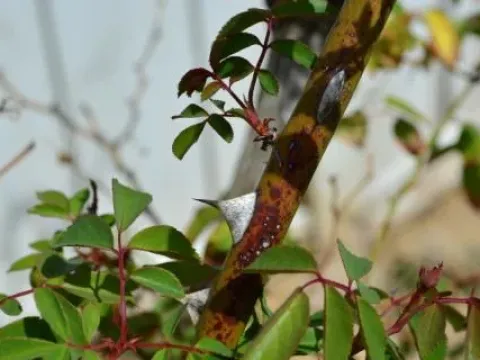
Initial symptoms present as small, reddish-brown spots on the stems. Over time, the center of these spots turns light brown, while a darker, distinct margin develops, separating the necrotic lesion from healthy tissue.
As the infection progresses, the bark in the affected areas becomes sunken and cracked. Within these cracks, small, pinhead-sized black dots appear, representing the mature pycnidia containing fungal spores.
A classic sign of the disease is the complete girdling of the stem. When a lesion encircles the entire branch, the portion of the plant above the infection site begins to wilt, blacken, and die back rapidly.
Under humid conditions, a grayish or brownish film may appear on the surface of the lesions, indicating active spore production. This suggests the fungus is ready to spread to adjacent healthy parts of the plant.
Internal tissue inspection of an infected stem shows brown, dried-out wood. The disease usually progresses downward from the infection point, eventually affecting the permanent woody parts of the bush.
The primary control strategy is strict horticultural hygiene. Regular pruning is essential to remove all infected stems, cutting back into healthy tissue at least 2–3 cm below the visible lesion.
- Sterilize pruning shears with alcohol after every cut to prevent cross-contamination.
- Collect and burn all infected plant debris to remove fungal reservoirs.
- Ensure adequate plant spacing to promote airflow and reduce canopy humidity.
- Avoid overhead irrigation that keeps stems wet for prolonged periods.
Chemical control involves applying copper-based fungicides (such as Bordeaux mixture) as a prophylactic measure in early spring and during late autumn preparation for winter.
Gardeners should avoid excessive nitrogen fertilization in late summer, as this encourages tender, succulent growth that is highly vulnerable to fungal penetration.
In cases of severe outbreak, systemic fungicides may be used during the active growth phase to suppress mycelial development within the stem tissues and protect against further pathogen spread.