
Coniothecium chromatosporum
Coniothecium chromatosporum
Description
How to identify
Coniothecium chromatosporum is a fungus belonging to the class Deuteromycetes, recognized as a significant phytopathogen involved in necrotic diseases of woody plants. It is frequently associated with the "black rot" disease complex affecting fruit trees.
The fungus produces dense, dark-pigmented stroma and pycnidia within the host tissues, which serve as overwintering structures. These structures allow the pathogen to survive in bark crevices and infected fruit remains during harsh winter conditions.
Dissemination occurs via conidia, which are easily dispersed by rain splash, wind, and garden tools. Once settled on a susceptible surface, the spores germinate under humid conditions to penetrate the host through wounds or natural openings.
Optimal development of the pathogen requires moderate temperatures ranging from 15°C to 25°C and high relative humidity. During these periods, the fungus aggressively colonizes stressed plant tissue.
While often considered a secondary invader that exploits tree weakness, it can act as a primary parasite, causing significant disruption to the physiological processes of the affected trees.
What it damages
This pathogen primarily targets orchard crops including apples, pears, and various stone fruits. Both the woody structure (branches and trunk) and the developing fruits are susceptible to infection.
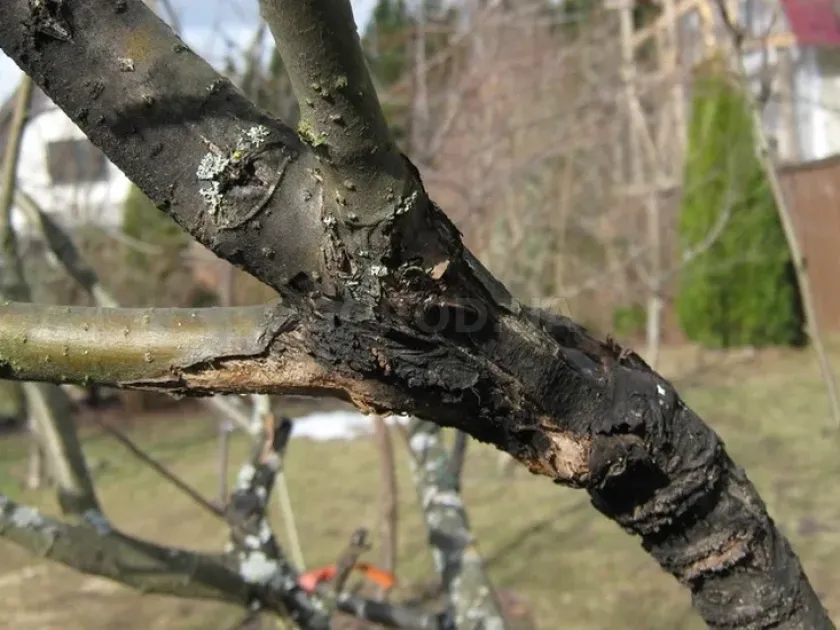
On the bark, the fungus causes dark, necrotic patches that eventually expand into sunken lesions. These lesions often lead to deep cracking of the bark, damaging the vascular tissues and potentially girdling branches.
Infected fruits display brown, sunken spots that progress to decay. These areas are typically covered with olive-black pads of fungal spores, rendering the fruit commercially non-viable and prone to rapid rotting.
Systemic damage often results in the reduced cold hardiness of trees, leading to dieback and premature leaf drop. Severe infections in the trunk can result in the total death of the host tree.
The economic impact involves both substantial crop loss and the labor-intensive requirements for pruning and rehabilitating infected orchards to prevent long-term decline.
Control measures
Effective management begins with good orchard hygiene and cultural practices. This includes regular pruning, maintaining tree vigor through balanced nutrition, and protecting trees from mechanical and sun-induced bark damage.
Sanitation is critical; wounds identified on the trunk should be carefully excised down to healthy tissue, disinfected with copper-based agents, and sealed with professional-grade wound dressings.
Chemical control programs should involve timely applications of fungicides during the growing season. Rotating different chemical classes is essential to manage the pathogen effectively and prevent resistance development.
Sanitary disposal of infected fruits and plant debris is mandatory to break the cycle of infection. Removing these sources of inoculum significantly lowers the pressure of the disease for the following year.
Constant monitoring for early symptoms allows for the isolation and treatment of localized infections, which is far more efficient and cost-effective than managing a widespread orchard epidemic.
Causes diseases · 1
Discussion
No discussions yet — be the first.