
Coniella diploidella
Coniella diploidella
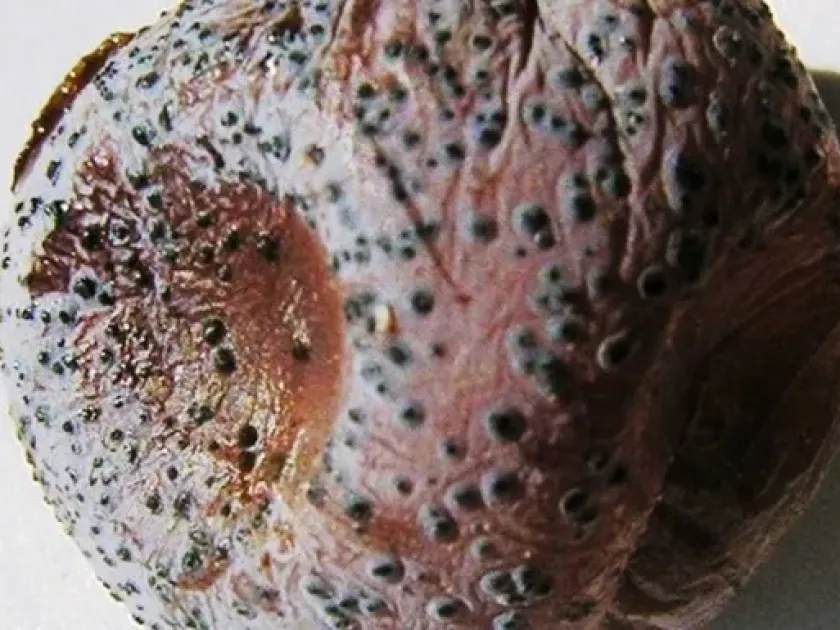
Description
How to identify
Coniella diploidella is an ascomycete fungus within the class Dothideomycetes. It is recognized primarily as the causal agent of a specific fungal disease in grapevines known as white spot or coniellosis.
The fungus is characterized by the production of pycnidia, which are small, flask-shaped asexual fruiting bodies that embed themselves into the host plant tissues. These structures release conidia, the primary infectious spores.
Taxonomically, the pathogen belongs to the order Diaporthales. It is noted for its ability to survive for extended periods in plant debris, making it a persistent threat in vineyard environments.
Microscopic examination of the spores and pycnidia is necessary for accurate diagnosis, as it allows specialists to differentiate this pathogen from other common leaf-spotting fungi found on vines.
In laboratory settings, the pathogen can be identified through culture plating on standardized growth media, where it produces characteristic mycelial growth patterns.
What it damages
The primary host for Coniella diploidella is the grapevine (Vitis vinifera). The pathogen targets all green tissues, including leaves, leaf stalks, young shoots, inflorescences, and developing berries.
Damage to inflorescences is particularly severe, often leading to blossom blight and significant yield loss before the fruit even sets.
When the pathogen affects the berries, it causes rot that results in shriveling, loss of juice quality, and complete spoilage, rendering the harvest unsuitable for wine production.
Chronic infections weaken the overall vigor of the grapevine, reducing its cold hardiness and making it more susceptible to other secondary pathogens and environmental stress.
In severe cases, the fungus causes necrosis on the shoots, which can lead to localized dieback and affect the long-term structural integrity of the vine.
When it appears
The fungus becomes active in the spring when temperatures rise consistently above 15°C and moisture levels remain high, facilitating the germination of overwintering inoculum.
The summer season, characterized by frequent rainfall and warm temperatures, provides the optimal environment for the rapid dispersal of conidia via splashing water.
The pathogen overwinters primarily as mycelium within infected plant remains, such as dead leaves, fallen rachis, or necrotic bark on the vine.
The incubation period for the disease is heavily dependent on weather conditions, with symptoms appearing significantly faster under humid, overcast conditions.
Late summer and early autumn rains can trigger secondary outbreaks, especially if the canopy remains wet for extended periods during the ripening phase.
Signs of infestation
Initial infection manifests as small, brown lesions on leaves and shoots, which gradually develop into light-colored or white spots with dark margins.
The appearance of tiny, black, pimple-like structures on the surface of these spots indicates the formation of pycnidia, which is a definitive sign of the fungus.
Infection of the rachis results in browning and necrosis, which cuts off nutrient flow to the berries, leading to their premature desiccation and shriveling.
Infected leaves may curl, show chlorosis, and eventually drop prematurely, which significantly reduces the vine's photosynthetic capacity.
Under high humidity, affected plant parts may exhibit a greyish fungal growth, representing a massive release of spores onto the surface of the plant tissue.
Control measures
Sanitation is the cornerstone of managing Coniella diploidella; this involves the removal and destruction of all infected plant materials to reduce the primary inoculum load.
Proper canopy management, including shoot thinning, leaf pulling, and good trellising, is essential to promote airflow and ensure the rapid drying of foliage after rain.
Fungicidal applications, particularly those utilizing copper-based or systemic products, are effective when applied strategically before and after the blooming period.
Regular monitoring during periods of high humidity and rainfall allows growers to time their protective treatments accurately, minimizing the risk of a major outbreak.
Balanced vineyard nutrition is crucial, as overly vigorous or nutrient-deficient vines are often more susceptible to the stress induced by this fungal pathogen.
Discussion
No discussions yet — be the first.