
Coniella castaneicola
Coniella castaneicola
Description
How to identify
Coniella castaneicola is a microscopic fungus classified within the kingdom Fungi and the phylum Ascomycota. This phytopathogen acts as an infectious agent, primarily causing necrotic diseases in various plant species, with a particular affinity for chestnut trees.
Systematically, this fungus is an anamorphic (asexual) state of certain ascomycetes. It reproduces primarily through conidia produced within structures known as pycnidia, which are usually embedded in the host plant's epidermis.
The fungus is highly adapted to moist environments, which trigger the release of spores from the pycnidia. It is known to survive as a saprophyte on decaying organic matter, allowing it to remain in the soil or on fallen leaves during dormant seasons.
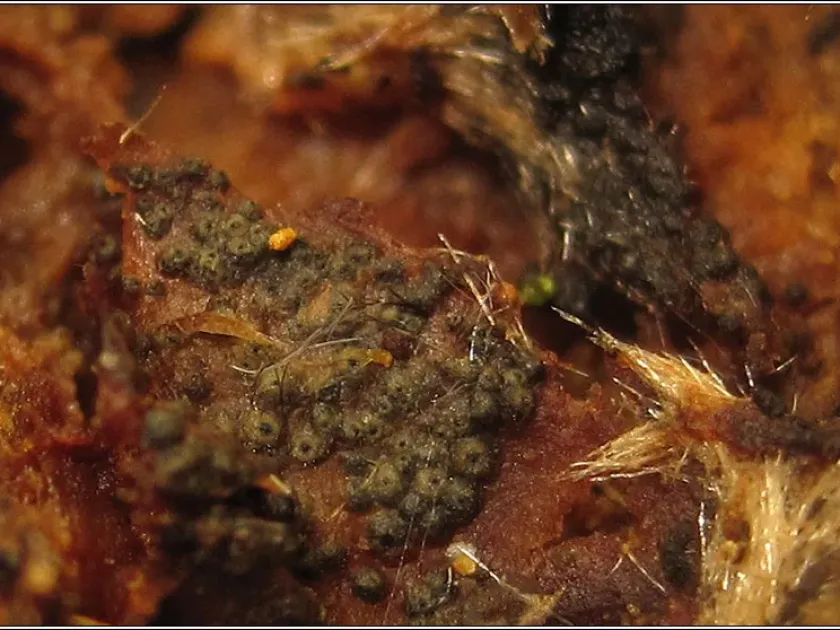
Identification typically relies on observing the characteristic fungal structures under a microscope. The presence of dark, pycnidial structures on the lesions is a key morphological marker for diagnosing this specific pathogen.
While often overlooked, Coniella castaneicola can cause significant damage in intensive cultivation settings where high plant density and humidity facilitate rapid spread of the disease.
What it damages
The host range of Coniella castaneicola includes woody ornamentals and several fruit-bearing species. It preferentially attacks young leaves, developing shoots, and ripening fruit, causing significant physiological stress to the host.
In leaves, the pathogen causes necrotic spots that reduce the total leaf area available for photosynthesis. This decline in photosynthetic activity stunts the overall growth of the plant and reduces its vigor.
Fruit infection is particularly problematic, as the fungus penetrates the skin and induces rot. This reduces the shelf life and market value of the crop, as infected fruit often decay rapidly in storage.
Young twigs are also susceptible to infection, which can lead to tip dieback. This interferes with the plant's structural development and, in severe cases, results in the loss of major branches.
Ultimately, the damage caused by this pathogen weakens the tree's immune system, making it more susceptible to secondary infections by other opportunistic bacteria or fungi.
Signs of infestation
The initial symptom of infection is the appearance of small, circular to irregular dark brown or chestnut-colored spots on the leaves. These spots gradually expand and may merge, covering large portions of the leaf blade.
Close inspection of the necrotic areas reveals tiny black, pimple-like structures, which are the pycnidia. These are the reproductive units of the fungus that release conidia when humidity levels are high.
Infected fruit often show sunken, discolored lesions that eventually soften. Under humid conditions, a visible spore mass or whitish fungal mat may emerge from the infected tissues on the surface of the fruit.
Affected shoots may exhibit wilting followed by rapid drying and darkening of the tissue. This often looks like a localized blight, affecting only specific sections of the plant's canopy.
Premature leaf drop is a common late-stage symptom, leaving the plant exposed and vulnerable to winter stress. The loss of foliage before the end of the season prevents proper storage of nutrients for the following year.
Control measures
Integrated pest management (IPM) is essential for controlling this fungus. Sanitation is the first line of defense; removing and burning all infected fallen leaves and debris is crucial to breaking the disease cycle.
Pruning is an effective management tool. Cutting away diseased branches and ensuring that tools are sanitized with alcohol or bleach prevents the accidental spread of spores to healthy plant parts.
Chemical control involves the application of fungicides. Preventive sprays using copper-based products are effective early in the season, while systemic fungicides can be used to manage active infections during periods of high humidity.
Cultural practices that improve air circulation are vital. Pruning for an open canopy ensures that leaves dry quickly after rain, depriving the fungus of the moisture required for spore germination and colonization.
Minimizing mechanical damage during harvest or routine maintenance helps prevent entry points for the pathogen. Healthy, well-fertilized plants are generally more resilient and can resist minor infections better than stressed ones.
Causes diseases · 1
Discussion
No discussions yet — be the first.