
Coprinus psychromorbidus
Coprinus psychromorbidus
Description
How to identify
Coprinus psychromorbidus is a basidiomycetous fungus known for its role as a severe plant pathogen. It is classified as a psychrophile, meaning it thrives and grows in cold temperatures.
This fungus is one of the primary causal agents of "snow mold," a disease complex that affects overwintering crops in regions with consistent snow cover.
Systematically, it is known for producing sclerotia, which are resilient survival structures. These allow the pathogen to persist in the soil during periods when the host plant is absent or conditions are otherwise unfavorable.
In laboratory cultures, the fungus often presents as a whitish or grayish mycelium. It shows remarkable metabolic activity in environments where most other biological organisms remain dormant.
The fungus primarily spreads through the soil via mycelial growth or through spores that can survive on crop debris, making it a persistent threat in infected agricultural fields.
What it damages
The primary hosts of Coprinus psychromorbidus include winter cereals such as wheat, rye, and barley. Furthermore, perennial grasses and turf are often severely affected by its activity.
The pathogen targets the crown and leaf tissues of the plants. By attacking these vital areas, the fungus prevents the plant from resuming normal growth after the winter season.
Economic damage is caused by extensive thinning of crop stands. This results in significant yield losses and often necessitates the costly practice of reseeding the affected areas.
By disrupting the integrity of root and crown tissues, the fungus prevents the uptake of water and nutrients, leading to the total death of the host plant in infected patches.
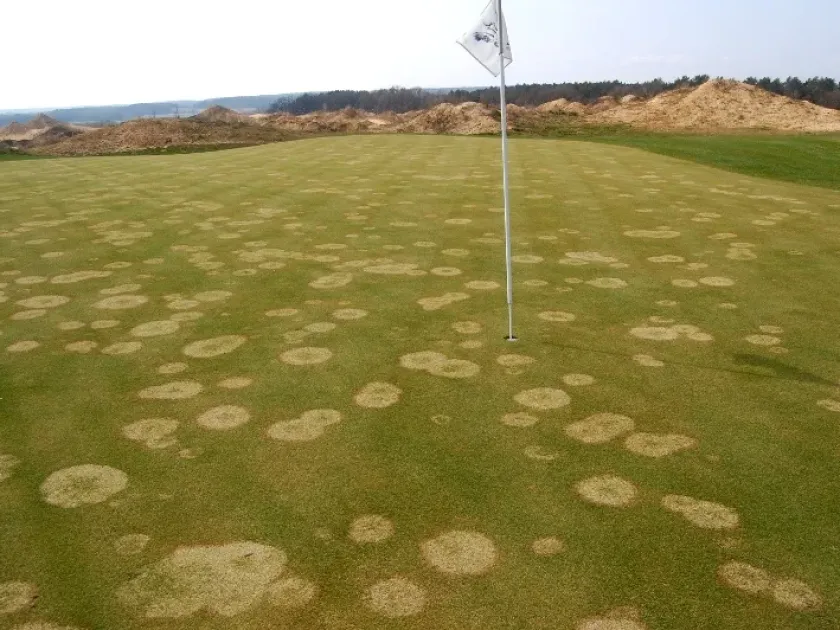
The damage is usually localized in patches, which can expand as the fungus spreads through the soil beneath the snow, potentially destroying large portions of a field.
When it appears
The activity of this fungus is strictly tied to the cold season. The peak developmental phase occurs during late winter and early spring as the snow begins to melt.
Optimal conditions for growth are found at temperatures near 0 to 5 degrees Celsius. In these conditions, the fungal mycelium colonizes plant tissues at an accelerated rate.
As temperatures rise above 15 degrees Celsius in the spring, the activity of the fungus typically declines, as the organism is unable to compete with other microbes in warmer conditions.
Autumn is the period when the fungus prepares for its winter expansion, living as a saprotroph on residual plant debris and accumulating inoculum in the soil profile.
The duration and depth of the snow cover serve as critical factors for the severity of the outbreak, as the snow insulates the soil, providing a stable, humid environment for the pathogen.
Signs of infestation
The most distinctive sign of infection is a white or gray mycelial growth covering the leaves of the host plants, clearly visible immediately after the snow melts.
Infected leaves often appear water-soaked, slimy, and matted together. This decay is frequently accompanied by a foul, rotting odor characteristic of fungal degradation.
Microscopic examination of the tissue or close inspection of the crowns often reveals the presence of small, dark sclerotia, which are diagnostic indicators of the pathogen's presence.
- Patches of dead or "burnt" vegetation in fields.
- Softening and decay of the plant crown.
- Matted, white-covered foliage.
- Significant loss of plant vigor in early spring.
As the disease progresses, the infected tissue becomes brittle and crumbles, leaving behind dead patches that are slow to recover or fill in during the growing season.
Control measures
Management of Coprinus psychromorbidus involves a multi-faceted approach. Crop rotation is essential to break the infection cycle and prevent the accumulation of the pathogen in the soil.
Effective tillage practices, such as deep plowing, are recommended to bury crop residues. This accelerates the decomposition of debris and limits the survival of the fungus.
Fungicide applications during the late autumn period can serve as a protective measure, reducing the initial infection rate before the onset of the winter dormancy period.
The use of cultivars with high winter hardiness and innate resistance to cold-weather fungal pathogens is the most sustainable and efficient strategy for farmers.
Managing the sowing date to avoid excessive autumn growth is also crucial, as over-developed plants are typically more susceptible to snow mold damage during the subsequent winter.
Causes diseases · 1
Discussion
No discussions yet — be the first.