
Coniothyrium phyllachorae
Coniothyrium phyllachorae
The fungus Coniothyrium phyllachorae is an ascomycete pathogen known for colonizing host plant tissues. It belongs to the genus Coniothyrium, which includes numerous species recognized for their role in producing pycnidia — specialized fruiting bodies containing conidia.
What the section contains
Coniothyrium phyllachorae
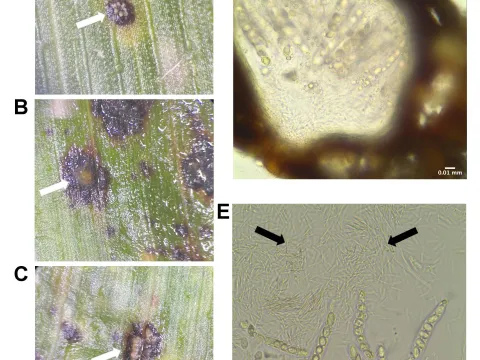
Diagnostic identification of this fungus involves examining the morphology of its pycnidia under microscopic observation. Its distinct structure and spore development pattern serve as key indicators for plant pathologists to distinguish this pathogen from other foliar fungi.
This pathogen typically affects the foliage of legume species, leading to localized cell death and tissue necrosis. By disrupting the photosynthetic process, the fungus can weaken the plant, resulting in reduced vitality and overall decline in crop yield.
The extent of damage is often correlated with the susceptibility of the plant host and the environmental conditions present during the growing season. While it may appear as a secondary invader, its presence can exacerbate the stress on crops under unfavorable climate conditions.
The initial signs of infection are characterized by small, brown lesions that develop on leaf blades. Over time, these lesions expand and may develop chlorotic halos, as the fungus spreads through the mesophyll of the plant tissue.
As the infection progresses, the center of the necrotic spots becomes populated by the pycnidia of the fungus. These appear as small, dark, raised dots scattered across the infected area, representing the final stage of the local lesion development.
The biological cycle of this fungus is highly dependent on moisture levels. Periods of high humidity and rainfall promote the release and dissemination of spores, which are then spread to healthy leaf surfaces by wind and splashing water.
The pathogen overwinters as mycelium or as pycnidia on crop residues left on the field. This source acts as the primary inoculum for the subsequent season, especially if agricultural management practices leave debris on the soil surface.
Management of this fungus focuses on breaking the infection cycle through rigorous sanitation. Removing or incorporating crop debris into the soil is essential to reduce the primary inoculum load before the new planting season begins.
When chemical control is necessary, protective and systemic fungicides are employed to mitigate further spread. Timely application, aligned with monitoring of local weather and initial symptom appearance, is crucial to maintain crop health and minimize losses.