
Coniothyrium
Coniothyrium
Description
How to identify
Coniothyrium is a genus of fungi belonging to the order Pleosporales, class Dothideomycetes. It acts as a significant phytopathogen that affects a wide variety of agricultural, horticultural, and ornamental plant species, often causing severe economic losses.
The fungus is characterized by the production of pycnidia, which are spherical or flask-shaped fruiting bodies. These structures contain numerous small, unicellular conidia that serve as the primary means of dispersal for the pathogen within an agricultural field.
Taxonomically, the genus encompasses several species that behave either as opportunistic pathogens or as saprophytes. They often colonize plant tissues that have already been weakened by environmental stress, wounds, or other primary infections, acting as a secondary invasion force.
Dissemination is largely mediated by wind, rain splashes, and insects. Because the spores are easily transported by water droplets, heavy rainfall during the growing season is often the major driver of disease outbreaks in susceptible orchards and vineyards.
The resilience of the fungus is notable, as it can overwinter in infected plant debris, soil, or deep within the bark of perennial woody plants. This persistence makes it a recurring problem that requires sustained management efforts over multiple seasons.
What it damages
One of the most destructive diseases caused by this genus is white rot in grapevines, typically attributed to Coniothyrium diplodiella. The fungus attacks the clusters, causing the berries to bleach, shrivel, and eventually decay, rendering the harvest unusable.
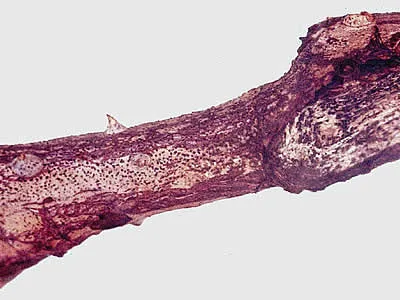
On cane berries such as raspberries, species like Coniothyrium wernsdorffiae or others cause cane blight and purplish spots on stems. These infections can girdle the canes, leading to the rapid wilting and death of entire fruit-bearing sections.
Fruit and ornamental trees are frequently affected by bark necrosis and cankers. The pathogen invades the cambium layer, leading to tissue death, cracking of the bark, and the oozing of sap, which further stresses the host plant and hinders nutrient transport.
In nurseries, the fungus poses a grave threat to young seedlings, often causing collar rot. If the stem base is girdled by necrotic tissue, the seedling will inevitably fail, leading to significant losses in propagation units.
Ultimately, the damage caused by Coniothyrium weakens the overall vigor of the host plant. Over time, affected crops become less productive, more susceptible to winter injury, and prone to secondary attacks by other pathogenic fungi or bacteria.
When it appears
The peak activity of Coniothyrium coincides with the spring and summer months when environmental conditions are humid and temperatures are moderate. These conditions are optimal for the rapid germination of conidia and colonization of host tissues.
In early spring, as vegetation begins to emerge, the fungus becomes active following the winter dormancy period. The initial infection often starts at the sites of pruning wounds or frost-damaged tissues that serve as entry points for the pathogen.
Summer rainfall is critical for the secondary spread of the disease. Droplets of rain distribute spores from old, infected plant parts to healthy fruits and leaves, often leading to rapid disease progress during the fruit ripening phase.
Autumn brings a decline in metabolic activity for the fungus as it prepares to overwinter. However, the pathogen remains viable within the host tissue, where it develops its overwintering structures, such as pycnidia, to survive the cold season.
Given the right moisture conditions, the fungus can complete multiple reproductive cycles in a single growing season. This high reproductive potential necessitates proactive monitoring during periods of high precipitation to prevent major outbreaks.
Signs of infestation
Symptoms in grapevines include the sudden appearance of light-colored, shriveled berries that eventually turn gray or brown. Closer inspection often reveals the presence of tiny, black pimple-like structures on the skin of the berry, which are the pycnidia.
On stems and canes, early signs appear as discolored, sunken spots. As the infection progresses, these spots expand, often encircling the stem, which leads to tissue necrosis, longitudinal cracking of the bark, and the eventual death of the shoot above the lesion.
On tree trunks or branches, cankers often appear as depressed areas with cracked or peeling bark. In some instances, resin or gum exudation may occur around the site of infection as the tree attempts to wall off the invading pathogen.
Young plants or seedlings in nurseries often exhibit localized rotting at the soil line. These areas may appear dark and water-soaked, and in high-humidity environments, a slimy mass of spores may be visible on the surface of the lesions.
Severe infection often causes chlorosis and premature wilting of foliage, especially during hot days when water demand exceeds the plant's ability to transport it through the compromised vascular system of the infected stems.
Control measures
Sanitation is the cornerstone of managing Coniothyrium infections. Growers must prioritize the removal and destruction of all infected plant materials, including dead canes, prunings, and mummified fruits, to eliminate the pathogen's primary overwintering sites.
Cultural practices should focus on maintaining adequate spacing and proper canopy management to ensure good air circulation. Reducing humidity in the canopy is an effective way to discourage the germination and spread of fungal spores.
Chemical control involving fungicides is recommended during vulnerable growth stages. Preventive applications, especially before and after flowering, using copper-based products or systemic fungicides (such as triazoles or strobilurins), can significantly lower infection rates.
Wound protection is vital; any pruning cuts or mechanical damages should be treated immediately with appropriate wound dressings or protective pastes to prevent the pathogen from gaining entry into the woody tissue.
Long-term strategies include selecting resistant or tolerant varieties where available. Integrated Pest Management (IPM) programs that combine regular field scouting, sanitation, and targeted fungicide use provide the most reliable results in preventing the spread of this pathogen.
Causes diseases · 5
Discussion
No discussions yet — be the first.