
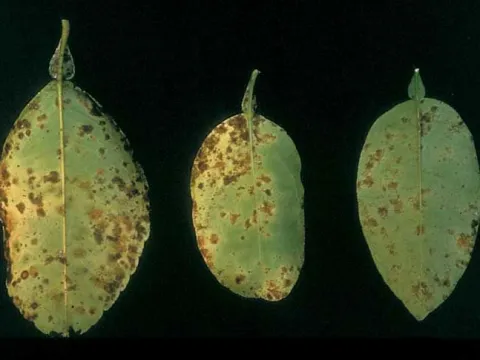
Citrus bark spot
Citrus bark
Citrus bark spot is a pathological condition affecting the bark of citrus trees, often characterized by localized necrosis. The condition can be triggered by a combination of abiotic stress factors and subsequent colonization by opportunistic fungal pathogens.
What the section contains
Citrus bark spot
The primary fungal agents associated with this condition belong to genera such as Phomopsis and Colletotrichum. These fungi often reside in the bark or on nearby plant debris, waiting for optimal conditions to attack weakened trees.
Identification involves careful physical inspection of the tree trunk and branches. Specialists look for characteristic lesions that distinguish this condition from viral bark diseases like Psorosis, which often show different patterns of bark scaling or gumming.
Laboratory diagnosis requires isolating the pathogen from the margin of the lesion onto a growth medium. The morphology of the fungal colonies, along with microscopic examination of spores, is essential for confirming the specific etiology of the disease.
Understanding the interaction between the host and the pathogen is crucial. Factors such as tree age, overall health, and environmental exposure significantly influence the susceptibility of citrus cultivars to bark spot developments.
This condition primarily affects commercial and ornamental citrus species, including lemons, oranges, and grapefruits. The damage can be severe if not addressed, potentially leading to the loss of entire sections of the canopy.
The disease compromises the integrity of the bark, which is the plant's natural protective barrier. As the necrosis expands, it disrupts the flow of nutrients and water, leading to branch dieback and decreased tree vigor.
Impact on fruit quality is significant, as affected trees struggle to provide sufficient energy for fruit development. This often results in smaller, lower-quality fruits and reduced yields that are economically unacceptable.
Weakened bark serves as an entry point for wood-boring insects and other secondary pests. This infestation cycle creates a synergistic negative effect, accelerating the decline of the infected tree compared to healthy specimens.
Long-term consequences of untreated bark spot include tree death and the necessity for complete removal of infected orchards. Proper management is essential to maintain the productivity and longevity of citrus plantings.
Early symptoms appear as small, slightly sunken areas on the bark surface. As the infection progresses, these spots turn dark brown or black and may develop cracks or fissures, exposing the inner woody tissue.
- Development of necrotic patches on trunks and limbs.
- Scaling or shedding of dead bark layers in the affected areas.
- Exudation of sap or gum from the margins of the lesions.
- Yellowing and premature abscission of leaves located above the infection site.
- Formation of tiny black reproductive structures (pycnidia) of the fungus on the bark surface.
High humidity and moisture create ideal conditions for the disease to expand rapidly. During dry spells, the lesions might look dormant, but the fungus remains embedded in the tissues, ready to reactivate when conditions improve.
A clear boundary between healthy and necrotic tissue is often visible, which is a diagnostic indicator. Over time, the bark in the infected area becomes brittle and may break away entirely, exposing the dark, decayed wood beneath.
In advanced cases, the internal wood tissue shows darkening or rot, indicating that the fungus has penetrated deep into the structural layers of the tree. This stage of damage is often irreversible and requires surgical excision.
Surgical excision is the most effective initial control measure. This involves cutting away the dead and diseased bark until reaching healthy, green tissue, followed by the application of copper-based disinfectants or specialized fungicides.
Implementing proper orchard management is vital for prevention. This includes ensuring appropriate drainage, optimizing irrigation schedules to prevent waterlogging, and applying balanced fertilizers to strengthen the tree's immune system.
Sanitation is key to reducing the inoculum pressure. All infected plant material must be removed and destroyed by burning to prevent the spread of fungal spores to neighboring healthy trees.
Preventative applications of copper fungicides during the dormant season are recommended to protect trees from potential infections. Regular monitoring of the orchard allows for early detection, which significantly increases the chances of recovery.
Tools used for pruning and surgical treatment must be disinfected with alcohol or a bleach solution between every tree to prevent mechanical transmission of the pathogen. Maintaining high hygiene standards is essential for success.