
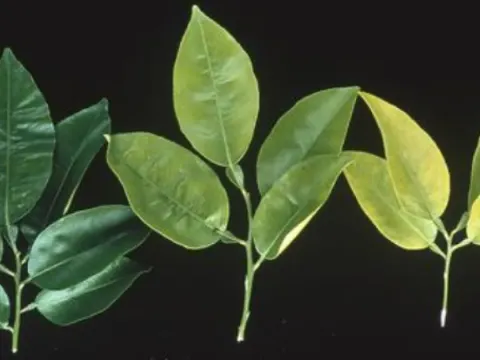
Citrus chlorosis
Citrus chlorotic
Citrus chlorosis is a physiological disorder characterized by the loss of normal green color in leaves due to a lack of essential nutrients, most commonly iron, magnesium, or manganese.
What the section contains
Citrus chlorosis
It is not a transmissible disease caused by a pathogen, but rather a disruption of metabolic processes resulting from an inability to synthesize sufficient chlorophyll.
The condition is fundamentally linked to the soil environment, specifically pH levels, drainage, and the availability of bioavailable mineral elements.
Diagnostic identification is based on the specific pattern of leaf discoloration, where the leaf blade turns yellow while the veins remain green.
This "green-vein" pattern is the primary distinguishing feature that helps distinguish nutrient deficiency from other common citrus problems.
The disorder affects various citrus species, including lemons, oranges, mandarins, and grapefruits, impacting both ornamental and commercial crops.
Chlorosis significantly limits the plant's ability to perform photosynthesis, which leads to stunted growth and weakened overall plant vigor.
In severe cases, affected trees exhibit extensive leaf drop, which reduces the photosynthetic surface area and depletes stored energy reserves.
Fruit production is negatively affected, leading to lower yields and poor fruit quality as the plant lacks the energy for proper fruit development.
Chronic chlorosis weakens the plant's immune system, making it much more susceptible to secondary fungal infections and pest attacks.
Symptoms typically become most visible during periods of rapid vegetative growth when the demand for micronutrients is at its peak.
Spring and early summer are the most frequent times for identifying chlorosis as the tree invests energy into new leaf and shoot development.
In container-grown citrus, the condition may manifest during winter months due to insufficient light levels, which are critical for iron uptake.
Poorly timed watering or cold, waterlogged soil can trigger chlorosis at any time of the year by inhibiting root respiration and nutrient uptake.
Early intervention is crucial as the condition often progresses incrementally, providing a window of opportunity to correct the underlying cause.
The initial signs are identified by a yellowing of the younger foliage located at the tips of the branches.
Interveinal chlorosis is the most common symptom, where the tissue between veins turns yellow, while the vein structure remains distinctly green.
In advanced cases, leaf margins may dry out, curl, and become brittle, eventually falling off the tree prematurely.
Flowering and fruit set are heavily impacted; buds often fail to open properly or abort shortly after formation.
Growth appears sparse, and the tree may show signs of dieback on smaller twigs as the lack of photosynthesis limits the tree's health.
The first step in controlling chlorosis is testing and adjusting soil pH, as citrus prefers a slightly acidic environment to maintain iron solubility.
Foliar application of iron chelates is the most effective way to provide immediate relief and restore the green color to the foliage.
Improving soil aeration and ensuring that watering practices do not lead to waterlogged conditions is essential for healthy root function.
Using balanced fertilizers that include trace elements helps prevent secondary deficiencies and supports long-term recovery.
- Adjusting soil pH to a slightly acidic range.
- Applying iron chelate sprays for rapid absorption.
- Improving soil drainage and root health.
- Supplementing with balanced micronutrient fertilizers.