
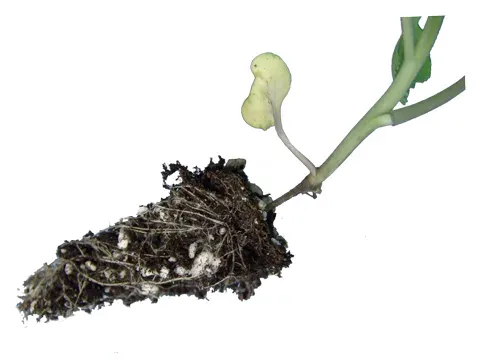
Chytridium brassicae
Chytridium brassicae
Chytridium brassicae is a microscopic fungal organism belonging to the phylum Chytridiomycota. It is an obligate parasite known to colonize the epidermal cells of roots and hypocotyls of plants within the Brassicaceae family.
What the section contains
Chytridium brassicae
The life cycle of this pathogen is strictly dependent on moisture. It produces motile zoospores that navigate through soil water films to reach and infect the host roots, utilizing chemotaxis to detect suitable plant targets.
Upon reaching the root surface, the fungus inserts a specialized rhizomycelium into the host cell. This structure acts as a nutrient absorption tool, drawing resources from the plant and compromising its metabolic processes.
The pathogen is capable of producing resting spores that can survive in the soil for extended periods, even in the absence of a host. These spores are highly resistant to environmental stressors and serve as the primary inoculum for new infections.
Taxonomically, it is classified among primitive fungi-like organisms. It is frequently studied in the context of plant pathology due to its ability to cause root-associated disorders in high-moisture environments.
The primary hosts for this pathogen are members of the Brassicaceae family, including various cabbages (cabbage, cauliflower, broccoli, bok choy) and root vegetables like turnips and radishes.
Weeds belonging to the Brassicaceae family can act as alternative hosts, harbor the pathogen throughout the season, and maintain its population levels in the soil for consecutive growing years.
The most severe damage occurs at the seedling and early vegetative stages. By impairing the root system, the pathogen disrupts water and nutrient uptake, leading to stunted development and reduced plant vigor.
Widespread infection can result in significant stand loss. Even when plants survive the initial infection, their growth is severely restricted, leading to lower yields and inferior quality of harvested vegetables.
Plants weakened by this pathogen are more susceptible to secondary infections by other soil-borne bacteria and fungi, creating a complex disease scenario that is difficult to manage without proper diagnostics.
The development of Chytridium brassicae is highly seasonal, peaking during periods of cool, wet weather. Optimal activity is observed in spring when the soil is saturated with moisture from rainfall or irrigation.
Temperature plays a critical role in the pathogen's lifecycle. It generally thrives within the temperature range of 12°C to 20°C, making early planting windows in damp soil particularly high-risk periods.
During the dry summer months, the activity of the pathogen may decline as the soil surface dries out. However, the pathogen can persist in deeper, moister soil layers, ready to re-emerge if conditions become favorable again.
Fall season conditions, characterized by decreasing temperatures and increased precipitation, can trigger a secondary wave of infection if crop residues have not been properly managed or cleared from the field.
Understanding the timing of these cycles is essential for planning agricultural interventions, such as adjusting planting dates or managing irrigation to minimize the window of vulnerability for young seedlings.
Symptoms are often subtle and may be confused with nutritional deficiencies or general root rot. Initial signs include chlorosis (yellowing of leaves), wilting during the hottest parts of the day, and reduced overall plant growth.
Under closer inspection, the root system may display necrosis or discoloration. Roots of infected plants are typically thinner and have a reduced number of lateral roots compared to healthy, vigorous plants.
Confirmation of the pathogen usually requires laboratory analysis, specifically microscopic examination of the root tissues to identify the presence of zoosporangia or internal fungal structures.
In the field, infected plants often appear in localized patches, especially in low-lying areas or sections of the field with poor drainage where moisture levels are consistently higher.
Wilting that recovers overnight is a hallmark of root impairment caused by various pathogens, including Chytridium brassicae. If such symptoms are persistent, it indicates a significant disruption of the plant's vascular and root function.
Effective management focuses on disrupting the pathogen's life cycle. Crop rotation is paramount; avoiding Brassicaceae crops for at least 3-4 years helps reduce the inoculum levels in the soil.
- Improve soil drainage to prevent moisture accumulation.
- Control brassicaceous weeds to remove potential pathogen reservoirs.
- Use certified, disease-free seeds and transplants.
- Adjust soil pH through liming to create less favorable conditions for the pathogen.
Liming the soil is a proven strategy, as many chytrid species prefer specific acidity ranges. Raising the pH can suppress the germination and movement of zoospores, effectively protecting the root zone.
Sanitation practices, including the removal and destruction of crop residues, are vital to prevent the carryover of resting spores from one season to the next, especially in small-scale vegetable gardens.
Where high disease pressure is known, growers may consider applying preventative soil treatments or fungicides, provided they are locally registered and effective against root-infecting pathogens of this class.