


SKU #37325
·
60 views
Yalita
Wheat
Agricultural LLC "Pyrihoda" (LLCUser rating
0 votes0% positive reviews
No ratings yet — be the first.
Type of Development
Winter wheat
Wheat Type
Soft wheat variety
Ostistost'
Ostistaya
Plant; height
90-100 cm
About product

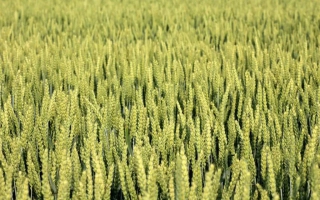
High-yielding intensive winter wheat variety with advanced disease resistance and excellent winter hardiness.
Type of Development
Winter wheat
Wheat Type
Soft wheat variety
Ostistost'
Ostistaya
Plant; height
90-100 cm
Description
A Reliable Choice for High-Yield Farming
The «Yalita» winter soft wheat variety, developed by STOV «Silskogospodarske Peremoga», is designed for producers who prioritize high productivity and operational stability. With a potential yield of 10-11 tons per hectare, this variety competes with top-tier intensive European cultivars while remaining perfectly adapted to the specific soil and climatic conditions of Ukraine.
Disease Resistance as a Competitive Edge
The primary advantage of «Yalita» is its comprehensive genetic resistance to major pathogens. Under high humidity conditions, where the risk of foliar infection is critical, the plant maintains a healthy flag leaf, ensuring optimal photosynthesis. It demonstrates strong resilience against rust (leaf, yellow, and stem), root rot, and septoria. This allows agronomists to optimize their fungicide application schedules, significantly reducing pesticide pressure and overall production costs.
- Winter Hardiness: 8 out of 9 points, ensuring reliable survival through fluctuating temperatures.
- Morphology: A plant height of 90-100 cm provides excellent resistance to lodging, which is vital for ease of harvesting at high yield levels.
- Grain Quality: With a thousand-grain weight of 35-40 grams, the variety produces well-filled kernels with a high milling yield.
Who is this variety for?
«Yalita» is an ideal solution for farms implementing intensive cultivation technologies. Unlike many imported hybrids that struggle under non-ideal conditions, «Yalita» shows a strong response to fertilizer application and consistent yield output. It serves as a reliable tool in the crop rotation for those aiming for maximum production per hectare without the excessive risks associated with highly sensitive, exotic varieties.
By choosing «Yalita», you are investing in a proven, high-performing variety that balances production intensity with robust field protection.
Video · 1 video
Suggest a video →Crop & resistance
Crop
Disease resistance
Specifications hover over for a hint about the specification
| Type of Development | |
|---|---|
|
Wheat Type
Wheat Type
Biologically hard wheat differs from soft wheat in its greater demand for soil fertility and agronomic conditions (especially regarding field cleanliness from weeds), lower drought resistance and plasticity, relatively weaker root development, especially nodal roots, and lower ti... |
|
| Ostistost' | |
| Plant; height | 90-100 cm |
| Seed: mass 1.000 pcs seeds | 35-40 grams |
| Winter Hardiness, Ratings (9-1) | 8 |
| Potential Yield | 10-11 tons |
| Registration year | 2023 |
| Catalog | Catalog → Wheat |
| Manufacturer | Agricultural LLC "Pyrihoda" (LLC |
| Country | Ukraine |
Store offers
Prices are updated on loadLoading offers…
Aggregator catalog: prices are collected automatically from store websites, normalized by AI and converted at the current exchange rate. Before ordering, confirm the price and availability on the store's website. This block is not indexed by search engines — the data is loaded after the page opens.
Not yet комментариев. Be the first!
Alternatives
Wheat seeds · similar varieties




See also
Often considered together with this variety







Recently viewed
Products you’ve viewed on this site
Reviews · 0