
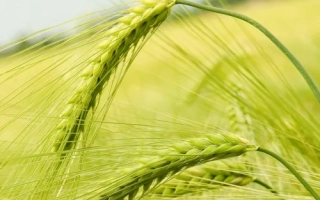

SKU #37033
·
34 views
NATULA
Wheat
Malopolska Hodowla Roslin-HBPUser rating
0 votes0% positive reviews
No ratings yet — be the first.
Type of Development
Winter wheat
Wheat Type
Soft wheat variety
Growing Season
280-290 days
Seed: mass 1.000 pcs seeds
45-50 grams
About product

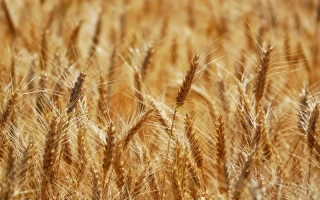
A high-yielding winter wheat variety with strong disease resistance and excellent grain weight.
Type of Development
Winter wheat
Wheat Type
Soft wheat variety
Growing Season
280-290 days
Seed: mass 1.000 pcs seeds
45-50 grams
Description
Winter Wheat Natula: Practical Performance in the Field
When selecting seed, efficiency and consistency are the top priorities for any grower. The soft winter wheat variety 'Natula' from the Polish breeding house Malopolska Hodowla Roslin-HBP is a reliable workhorse. It is designed to perform in challenging environments while keeping input costs predictable.
Durability and Field Management
What operators appreciate most about this variety is its exceptional resistance to lodging. Even in seasons with heavy rainfall, the stand remains upright, which is a massive relief during harvest, ensuring clean cutting and minimal header losses. From a management perspective, 'Natula' shows robust resistance to brown rust and powdery mildew. While preventive fungicide applications are still standard practice, the natural disease tolerance of this variety is clearly superior to many other market offerings, allowing for more flexible spray schedules.
Technical Specifications at a Glance
- Vegetation period: 280–290 days. Provides a balanced growth cycle that fits perfectly into standard harvesting windows.
- 1000-grain weight: 45–50 grams. The heavy, high-quality grain ensures strong emergence and establishes a solid foundation for yield potential.
- Type: Soft winter wheat. Highly adaptable to various soil types, making it a versatile choice for modern farming operations.
Working with 'Natula' is straightforward. It is a forgiving variety that rewards standard fertilization programs with consistent, high-quality milling grain. For operations that prioritize operational reliability and clear ROI, 'Natula' is a professional solution that delivers results where it counts: on the scale and in the storage silo.
Crop & resistance
Crop
Disease resistance
Specifications hover over for a hint about the specification
| Type of Development | |
|---|---|
|
Wheat Type
Wheat Type
Biologically hard wheat differs from soft wheat in its greater demand for soil fertility and agronomic conditions (especially regarding field cleanliness from weeds), lower drought resistance and plasticity, relatively weaker root development, especially nodal roots, and lower ti... |
|
| Growing Season | 280-290 days |
| Seed: mass 1.000 pcs seeds | 45-50 grams |
| Resistance to lodging | |
| Registration year | 2017 |
| Catalog | Catalog → Wheat |
| Manufacturer | Malopolska Hodowla Roslin-HBP |
| Country | Poland |
Store offers
Prices are updated on loadLoading offers…
Aggregator catalog: prices are collected automatically from store websites, normalized by AI and converted at the current exchange rate. Before ordering, confirm the price and availability on the store's website. This block is not indexed by search engines — the data is loaded after the page opens.
Not yet комментариев. Be the first!
Alternatives
Wheat seeds · similar varieties






See also
Often considered together with this variety





Recently viewed
Products you’ve viewed on this site
Reviews · 0