


Prices in stores
from4.94 €per 1 kg
pack from 4.94 € per 1 l
1 offer from 1 store
Type of Development
Spring wheat
Wheat Type
Soft wheat variety
Growing Season
80-90 days
Seed: mass 1.000 pcs seeds
35-40 grams
Your mark
0 votes
0% positive ratings
Store offers · 1 from 1 store
1 offer in 1 store — from 4.94 € per 1 kg.
Available at: Агроексперт-Трейд
Prices are collected automatically from store websites and converted at the current exchange rate. Check the price and availability on the store website before ordering.
About product
A reliable choice for premium wheat production with yield potential reaching 9 tons.
Description
Stable Yields and High Baking Quality
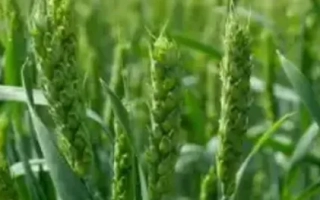
The “Amir” spring wheat variety, developed by the FGBNU Federal Research Center “Nemchinovka,” is a strategic solution for farms focused on producing high-quality grain with minimal risk. In the face of climate instability, this variety demonstrates a rare combination of early maturity and high-intensity yield potential.
Field Performance Advantages
The main strength of “Amir” lies in its comprehensive resistance to major pathogens that limit yields in cultivation regions. The variety demonstrates strong resistance to powdery mildew, various types of rust, Mycosphaerella blight, and stem smut. For an agronomist, this translates to reduced expenditures on fungicide treatments and lower stress levels for crops.
- Maturity Speed: A 80–90 day vegetation period allows for precise planting schedules and avoidance of peak summer droughts.
- Agronomic Durability: Excellent resistance to lodging minimizes harvest losses, which is critical when aiming for the target yield of 8–9 tons per hectare.
- Grain Quality: With a gluten content exceeding 30%, the grain consistently meets the requirements for premium wheat, ensuring steady demand from millers.
Who Should Choose This Variety?
“Amir” is optimized for intensive farming systems where managers seek to maximize soil potential. With a 1,000-kernel weight of 35–40 grams, the variety produces a uniform crop stand that effectively utilizes moisture and nutrients during critical growth phases. It is the ideal choice for those who refuse to compromise between quantity and quality: the combination of high test weight and strong genetic potential makes it a reliable asset for any grain production enterprise.
Crop & resistance
Crop
Disease resistance
Specifications
No reviews yet. Be the first to share your experience.
Alternatives
Wheat seeds · similar varieties








See also
Often considered together with this variety








Recently viewed
Products you’ve viewed on this site
Reviews