


Prices in stores
No offers yet — stores have not added prices for this product yet.
Similar varieties with prices
-
COLORADOSyngenta
from 1.03 €
-
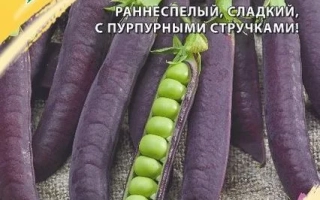 RED CLIMBERGavrish
from 0.31 €
RED CLIMBERGavrish
from 0.31 €
-
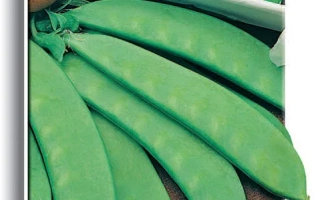 OREGON SUGARZAO 'KOMPANIYa LANS'
from 0.26 €
OREGON SUGARZAO 'KOMPANIYa LANS'
from 0.26 €
-
 DALILASEMO
from 0.82 €
DALILASEMO
from 0.82 €
Growing Season
80-90 days
Registration year
2021
Your mark
0 votes
0% positive ratings
About product
A reliable mid-ripening variety with high genetic resistance to nematodes.
Description
Reliable Yields with Built-in Pest Resistance
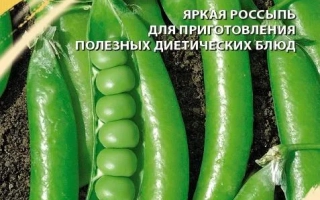
The 'Andromeda' pea variety from the Gavrish selection firm is a go-to choice for those prioritizing crop reliability. In farming conditions where soil-borne pests can decimate significant portions of a crop, the variety's genetic resistance to nematodes becomes a decisive competitive advantage. Developed by a team led by Dmitry Gladkov and Anna Semenova, this mid-ripening variety matures in 80–90 days, offering a stable growth cycle for professional vegetable producers.
Strengths and Key Features
- Biological Defense: Genetic resistance to nematodes minimizes the need for excessive chemical pesticide applications, making it an excellent candidate for environmentally conscious farming practices.
- Uniformity: 'Andromeda' exhibits consistent ripening cycles, which simplifies harvesting schedules and significantly reduces potential losses during mechanized collection.
- Quality Standards: The variety possesses the high culinary profile expected of premium vegetable peas, making it versatile for both fresh market sales and industrial canning.
Who is this variety for?
This variety is most effective in farming operations where crop rotation intervals are tight and soil pest pressure remains a persistent threat. 'Andromeda' serves as a 'workhorse' for professional vegetable production. It does not demand exotic cultivation conditions, yet with proper agronomic care, it delivers a consistent volume of marketable produce. It is a balanced, practical choice for farmers seeking proven breeding results that emphasize agricultural efficiency and resilience over complex input requirements.
Crop & resistance
Pest resistance
Specifications
| Growing Season | 80-90 days |
|---|---|
| Registration year | 2021 |
| Catalog | Catalog → Vegetable Pea |
| Manufacturer | Gavrish |
| Legal data |
Show · 13
|
| Country | Russia |
No reviews yet. Be the first to share your experience.
Alternatives
Garden pea seeds · similar varieties


See also
Often considered together with this variety





Recently viewed
Products you’ve viewed on this site
Reviews