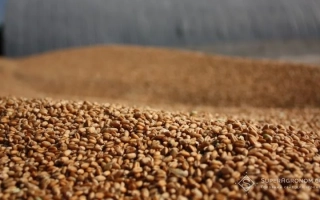
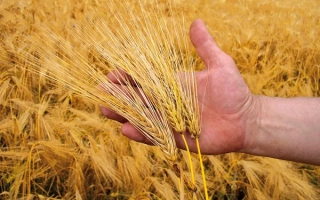
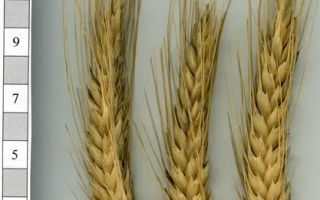
Landar — a high-yielding spring triticale variety, intended for grain and fodder use. This variety is characterized by stable yields up to 65 centners per hectare (6.0–6.5 tons per hectare), even under unstable weather conditions and non-rotational predecessors. Plants reach a height of 90–95 cm, with wheat-type grain, elongated, and 1000-seed mass of 42–43.6 grams. Protein content in the grain is 13.9–15.1%, and gluten content is 27.4–29.6%.
The Landar variety is characterized by high resistance to major leaf, ear, and root diseases, including rust and powdery mildew, with resistance ratings of 8.5–9 points. It also exhibits good drought tolerance (7 points), resistance to lodging, shattering, and grain shattering in the ear. These qualities make it suitable for cultivation in the humid climate of the Polissia region and under irrigation.
The recommended sowing period for the Landar variety is upon the physical maturity of the soil. The variety is medium-early (85–90 days) and shows a positive response to increased agrochemical inputs, enabling high yields even under deviations in cultivation technology. Due to its combination of resistance to adverse conditions and universal application, Landar is a reliable choice for both fodder and grain production.