


SKU #47125
·
56 views
Pavlodarskyi
Triticale
User rating
0 votes0% positive reviews
No ratings yet — be the first.
Type
Winter triticale
Plant Height
170
Registration year
2019
About product

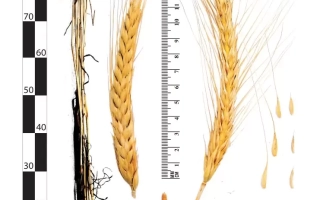
Pavlodarskyi — a triticale variety developed for feed and fodder purposes, distinguished by high drought and winter hardiness. This medium-maturing variety, developed by the Institute of Plant Growing named after V.Ya. Yuryev of NAAN and registered in 2019, is recommended for cultivation in the forest-steppe and Polissya regions. Plants reach a height of about 170 cm, the grain is oval-shaped and…
Type
Winter triticale
Plant Height
170
Registration year
2019
Description
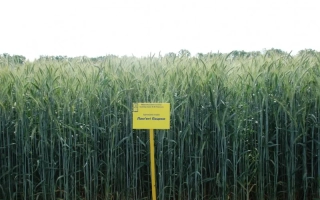
Pavlodarskyi — a triticale variety developed for feed and fodder purposes, distinguished by high drought and winter hardiness. This medium-maturing variety, developed by the Institute of Plant Growing named after V.Ya. Yuryev of NAAN and registered in 2019, is recommended for cultivation in the forest-steppe and Polissya regions. Plants reach a height of about 170 cm, the grain is oval-shaped and well-filled, with a 1000-grain weight of 45 g. The variety exhibits high resistance to lodging (7.5 points), diseases (8-9 points), and possesses high protein (14.2%) and starch (67%) content in the grain. Triticale, as an artificially created cereal and feed crop, combines the best agronomic and biological traits of wheat and rye. The Pavlodarskyi variety demonstrates high yield potential for both grain and green mass, reaching 8.5 t/ha and 75 t/ha respectively when grown after non-leguminous predecessors. Due to its enhanced adaptive properties and resistance to fungal diseases, this variety is one of the most suitable for the biologicalization of agricultural production. A distinctive feature of the Pavlodarskyi variety is its high stem density and excellent plant survival rate, as confirmed by studies showing the highest stem density among the studied triticale varieties. The recommended seeding rate for grain production is 4.5 million/ha, and for green feed — 3 million/ha. The high quality of grain and green mass, along with the significant spirit yield from the meal (460 liters per ton), makes this variety attractive for comprehensive use in agriculture.
Crop & resistance
Disease resistance
Specifications hover over for a hint about the specification
|
Type
Type
Galia (Galia) type — relatively new, of Israeli origin, although there are indications that this variety may originate from Spain. The fruits of this type are round or oval, weighing about 1 kg. The surface is smooth, covered with a delicate, connected netting, turning yellow whe... |
|
|---|---|
| Plant Height | 170 |
| Registration year | 2019 |
| Catalog | Catalog → Triticale |
| Legal data |
Show · 1
|
| Country | Ukraine |
Store offers
Prices are updated on loadLoading offers…
Aggregator catalog: prices are collected automatically from store websites, normalized by AI and converted at the current exchange rate. Before ordering, confirm the price and availability on the store's website. This block is not indexed by search engines — the data is loaded after the page opens.
Not yet комментариев. Be the first!
Alternatives
Triticale seeds · similar varieties




See also
Often considered together with this variety




Recently viewed
Products you’ve viewed on this site
Reviews · 0