

SKU #58944
·
28 views
EKLOR
Sunflower
RAGTUser rating
0 votes0% positive reviews
No ratings yet — be the first.
Hybrid Type
Simple Hybrid
Oil Content
45-50%
Seeds; shape
Narrow-ovoid
Seeds; size
Fine
About product

EKLOR is a high-yielding simple sunflower hybrid (Helianthus annuus L.) of medium maturity with a 110-112 day vegetative period. The plant features an upright growth form without branching, with medium-sized green leaves that are weakly blistered and finely serrated at the edges. The florets are ray and tubular, yellow in color, with no or very weakly expressed anthocyanin pigmentation on the stig…
Hybrid Type
Simple Hybrid
Oil Content
45-50%
Seeds; shape
Narrow-ovoid
Seeds; size
Fine
Description
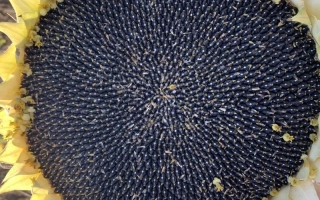
EKLOR is a high-yielding simple sunflower hybrid (Helianthus annuus L.) of medium maturity with a 110-112 day vegetative period. The plant features an upright growth form without branching, with medium-sized green leaves that are weakly blistered and finely serrated at the edges. The florets are ray and tubular, yellow in color, with no or very weakly expressed anthocyanin pigmentation on the stigmas. The head is of medium size, half-turned downwards at maturity, with a flat seed side. The seed is small, oval-elongated, with a black base color and marginal stripes without spotting. The average fat content in the seeds is 49.8%. The EKLOR hybrid exhibits high resistance to major diseases, including downy mildew, phoma, and alternaria, as well as tolerance to volunteer A-G races. It is resistant to lodging at the base and withstands drought well, ensuring stable productivity across various soil and climate zones. Thanks to genetic resistance to herbicides based on tribenuron-methyl (e.g., Griffon and Express), the hybrid allows for effective control of a wide range of weeds, facilitating agronomic operations. EKLOR is recommended for cultivation in regions with various climatic conditions, including the North Caucasus region. The potential yield of the hybrid reaches 52 centners per hectare, making it an attractive choice for agricultural producers seeking high productivity and seed quality. Seeds are supplied in bags of 150,000 units, treated with fungicide for protection against diseases at early development stages. Synchrony of maturation and uniformity of crops ensure harvest convenience and minimize losses.
Crop & resistance
Crop
Disease resistance
Устойчивость к заразихе
Specifications hover over for a hint about the specification
| Hybrid Type | |
|---|---|
| Oil Content | 45-50% |
| Seeds; shape | |
| Seeds; size | |
| Vegetation Period | 110-120 days |
| Basket; shape | |
| Basket; size | |
|
Herbicide Tolerance
Herbicide Tolerance
Unique combination of the herbicide EURO-LIGHTNING®, containing two active ingredients of the imidazolinone class, and high-yielding hybrids resistant to this herbicide, developed using traditional selection methods (without genetic engineering). Advantages of using CLEARFIELD te... |
|
| Registration year | 2010 |
| Catalog | Catalog → Sunflower |
| Manufacturer | RAGT |
| Legal data |
Show · 3
|
| Country | France |
Store offers
Prices are updated on loadLoading offers…
Aggregator catalog: prices are collected automatically from store websites, normalized by AI and converted at the current exchange rate. Before ordering, confirm the price and availability on the store's website. This block is not indexed by search engines — the data is loaded after the page opens.
Not yet комментариев. Be the first!
Alternatives
Sunflower seeds · similar varieties





See also
Often considered together with this variety


Recently viewed
Products you’ve viewed on this site
Reviews · 0