

SKU #61071
·
44 views
PORTLAND
Sugar Beet
LION SEEDSUser rating
0 votes0% positive reviews
No ratings yet — be the first.
Direction Type
Normal-sugar type (NZ)
Root vegetable; size
Medium
Root; shape
Oval-conical
Sugar Content
16-17%, 17-18%, 18-19%
About product

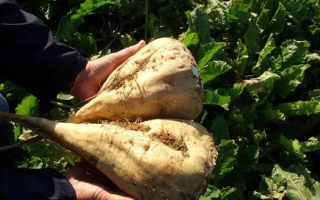
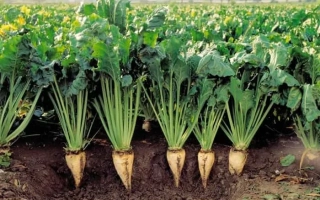
Portland sugar beet is a mid-season hybrid with a growing period of about 140 days. The root has an oval-conical shape and is characterized by significant weight, varying from 584 to 927 grams depending on growing conditions. The root immersion in the soil ranges from 75% to 93%, which promotes its good development and protection from external factors. The variety is characterized by high sugar co…
Direction Type
Normal-sugar type (NZ)
Root vegetable; size
Medium
Root; shape
Oval-conical
Sugar Content
16-17%, 17-18%, 18-19%
Description
Portland sugar beet is a mid-season hybrid with a growing period of about 140 days. The root has an oval-conical shape and is characterized by significant weight, varying from 584 to 927 grams depending on growing conditions. The root immersion in the soil ranges from 75% to 93%, which promotes its good development and protection from external factors. The variety is characterized by high sugar content, reaching 16.9–18.5%, which ensures high sweetness and product quality.
Portland is distinguished by high yield, which can reach 476–674 centners per hectare, and sugar collection up to 113.2 centners per hectare. This variety is resistant to powdery mildew at standard level and has medium resistance to drought and rootworm, making it a reliable choice for growing in various climatic conditions. However, the variety is susceptible to cercosporosis, which requires attention during agricultural measures.
Due to its adaptability and resistance to a number of diseases, Portland sugar beet is widely used in agronomy and suitable for growing in various regions, including the Central Black Earth and Almatin regions. High yield, quality sugar, and reliability make this variety popular among farmers and agronomists seeking a stable and quality sugar beet crop.
Portland is distinguished by high yield, which can reach 476–674 centners per hectare, and sugar collection up to 113.2 centners per hectare. This variety is resistant to powdery mildew at standard level and has medium resistance to drought and rootworm, making it a reliable choice for growing in various climatic conditions. However, the variety is susceptible to cercosporosis, which requires attention during agricultural measures.
Due to its adaptability and resistance to a number of diseases, Portland sugar beet is widely used in agronomy and suitable for growing in various regions, including the Central Black Earth and Almatin regions. High yield, quality sugar, and reliability make this variety popular among farmers and agronomists seeking a stable and quality sugar beet crop.
Crop & resistance
Crop
Disease resistance
Specifications hover over for a hint about the specification
| Direction Type | |
|---|---|
| Root vegetable; size | |
|
Root; shape
Root; shape
Roots can be round, elongated-round, cylindrical, conical. |
|
| Sugar Content | 16-17%, 17-18%, 18-19% |
| Registration year | 2007 |
| Catalog | Catalog → Sugar Beet |
| Manufacturer | LION SEEDS |
| Legal data |
Show · 5
|
| Country | Russia |
Store offers
Prices are updated on loadLoading offers…
Aggregator catalog: prices are collected automatically from store websites, normalized by AI and converted at the current exchange rate. Before ordering, confirm the price and availability on the store's website. This block is not indexed by search engines — the data is loaded after the page opens.
Not yet комментариев. Be the first!
Alternatives
Sugar beet seeds · similar varieties




See also
Often considered together with this variety


Recently viewed
Products you’ve viewed on this site
Reviews · 0