



SKU #43555
·
35 views
Gabor
Sugar Beet
STRUBEUser rating
0 votes0% positive reviews
No ratings yet — be the first.
Recommended Density
90-100 thousand pcs/ha
Registration year
2004
Store offers · 1 from 1 stores
Prices are updated on loadLoading offers…
Available at: Райський Куточок
Aggregator catalog: prices are collected automatically from store websites, normalized by AI and converted at the current exchange rate. Before ordering, confirm the price and availability on the store's website. This block is not indexed by search engines — the data is loaded after the page opens.
About product

Gabor sugar beet is a heat-loving and heat-tolerant crop, optimally developing at 20-22°C, but capable of effective photosynthesis even at temperatures above 40°C. From sowing, the plant requires adequate moisture, especially during the intensive root growth period in July-August. Thanks to its deep root system, reaching about 2.5 meters, sugar beet can withstand drought by absorbing moisture from…
Recommended Density
90-100 thousand pcs/ha
Registration year
2004
Description
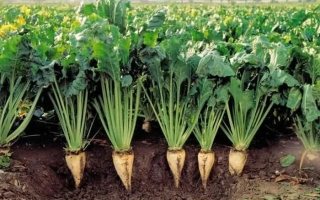
Gabor sugar beet is a heat-loving and heat-tolerant crop, optimally developing at 20-22°C, but capable of effective photosynthesis even at temperatures above 40°C. From sowing, the plant requires adequate moisture, especially during the intensive root growth period in July-August. Thanks to its deep root system, reaching about 2.5 meters, sugar beet can withstand drought by absorbing moisture from deeper soil layers. Seeds germinate at temperatures from +4 to +17°C, with emergence time directly depending on soil temperature. In autumn, the crop withstands frosts down to -5°C without damage to sugar accumulation. Hybrid Gabor is distinguished by high yield and sugar content, making it attractive for cultivation in various climatic zones, including the forest-steppe, steppe, and lowland areas. It is resistant to diseases such as rhizomania, aphanomyces root rot, and "flowering disease," contributing to stable quality harvests. Early maturity allows harvesting at optimal times, reducing loss risks and increasing economic efficiency. For successful cultivation of Gabor sugar beet, it is recommended to use the dotted sowing method with row spacing of 45 cm and seed depth of 2–3 cm. The seeding rate is 90–110 thousand seeds per hectare, ensuring optimal plant density and maximum productivity. Careful maintenance, proper soil preparation, and adherence to agronomic requirements throughout the entire vegetation period are key to obtaining high-quality root crops with high sugar content.
Crop & resistance
Crop
Disease resistance
Specifications hover over for a hint about the specification
|
Recommended Density
Recommended Density
Optimal productivity is achieved at a planting density of 4000-5500 plants/ha. Possible planting scheme: 300-500x40-80 cm. |
90-100 thousand pcs/ha |
|---|---|
| Registration year | 2004 |
| Catalog | Catalog → Sugar Beet |
| Manufacturer | STRUBE |
| Country | Germany |
Not yet комментариев. Be the first!
Alternatives
Sugar beet seeds · similar varieties







See also
Often considered together with this variety





Recently viewed
Products you’ve viewed on this site
Reviews · 0