


SKU #43559
·
36 views
Galina
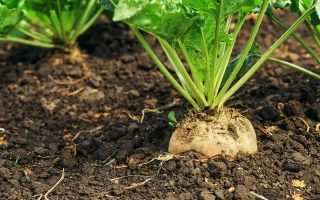
Sugar Beet
User rating
0 votes0% positive reviews
No ratings yet — be the first.
Sugar Content
18-20
Registration year
1998
About product

A proven sugar beet variety offering 18–20% sugar content and strong resistance to rhizomania and cercospora.
Sugar Content
18-20
Registration year
1998
Description
Stable Yield and High Sugar Content
The "Halyna" variety, developed by the Institute of Sugar Beet of the NAAS, remains a reliable solution for producers focused on high-quality sugar output. Selecting this variety is a strategic move for farms operating in regions with significant phytosanitary pressure.
Phytosanitary Resistance as a Cost-Reduction Tool
The primary advantage of "Halyna" is its complex resistance to pathogens, which directly affects the bottom line:
- Cercospora leaf spot: High resistance reduces the need for frequent fungicide applications, making it efficient during wet summers.
- Rhizomania: Allows for stable production on infested soils, preventing yield losses that often plague susceptible hybrids.
- Common Scab: Minimizes post-harvest decay and maintains crop quality during long-term storage.
Economic Efficiency
For processing plants, "Halyna" is valued for its steady sugar content of 18–20%. Practically, this variety is well-suited for intensive farming systems where yield quality must be maintained despite operational challenges. The variety is forgiving of minor agronomic errors and retains its sugar profile even if harvest dates fluctuate. It is a robust choice for farmers who prioritize post-harvest storage security and want to mitigate the risks of root rot after lifting.
Crop & resistance
Crop
Disease resistance
Specifications
| Sugar Content | 18-20 |
|---|---|
| Registration year | 1998 |
| Catalog | Catalog → Sugar Beet |
| Legal data |
Show · 1
|
| Country | Ukraine |
Store offers
Prices are updated on loadLoading offers…
Aggregator catalog: prices are collected automatically from store websites, normalized by AI and converted at the current exchange rate. Before ordering, confirm the price and availability on the store's website. This block is not indexed by search engines — the data is loaded after the page opens.
Not yet комментариев. Be the first!
Alternatives
Sugar beet seeds · similar varieties





See also
Often considered together with this variety




Recently viewed
Products you’ve viewed on this site
Reviews · 0