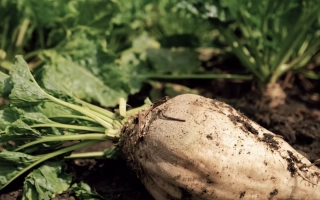
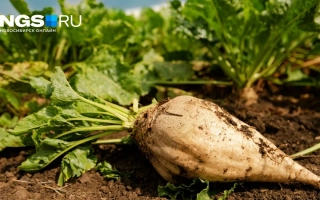
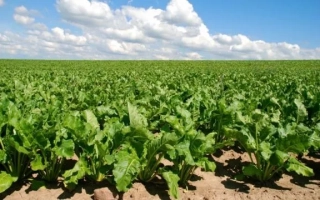
Carmelita sugar beet is a high-yielding hybrid widely used in agriculture for sugar production. This variety is characterized by significant yield, reaching up to 50 tons per hectare, which is a high performance indicator for sugar beet. Due to its qualities, Carmelita is actively used in agronomic practice, including sowing and harvesting, and is also used in industrial sugar factories.
One of the key features of the Carmelita variety is its high sugar content in the roots, which ranges from 18% to 20%. The seeds of this hybrid can germinate at temperatures as low as +5°C, although optimal sowing conditions are within the range of 13–15°C. Carmelita sugar beet is resistant to several diseases, such as rot and rhizomania, which increases its reliability and reduces the risk of yield losses. The root shape contributes to reduced contamination and facilitates the harvesting process.
The Carmelita hybrid is adapted to various climatic conditions, including arid regions, which expands its cultivation possibilities. Thanks to the combination of high sugar content, disease resistance, and good yield, this variety is a profitable choice for farmers aiming to obtain a high-quality and stable sugar beet harvest.