


SKU #63691
·
55 views
Soybean Umka
Soybean
Prices in stores
No offers yet — stores have not added prices for this product yet.
Similar varieties with prices
-
Oriana
from 0.3 €per 1 kg
-
 ES VISITOREuralis Semences
from 0.65 €per 1 kg
ES VISITOREuralis Semences
from 0.65 €per 1 kg
-
 ViolettaResearch and Development Center of Soybean «Age»
from 0.28 €
ViolettaResearch and Development Center of Soybean «Age»
from 0.28 €
-
 Triada
from 553.62 €
Triada
from 553.62 €
Growing Season
100-110 days
Plant: plant height
60-70cm
Seeds: oil content
20-21%, 21-22%
Seeds: protein content
39-41%
Your mark
0 votes
0% positive ratings
Description
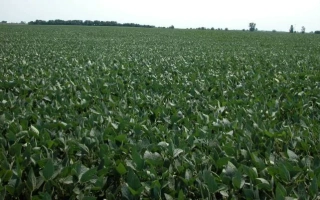
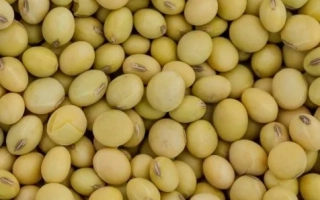
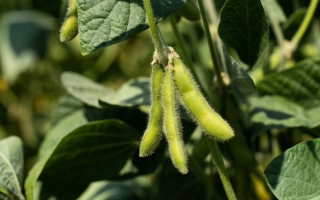
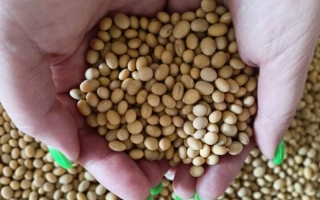
The Umlka soybean variety is an early-maturing semi-determinate variety intended for cultivation in the Central Black Earth, North Caucasian, and Far Eastern regions of Russia. Plants of this variety are characterized by low or medium height, approximately 62.8 cm, with an erect or semi-erect stem and grey pubescence. Leaves are compound with acutely oval side leaflets; flowers are purple. Seeds are of medium size, elongated-flattened, yellow in color with a grey hilum. The vegetative period is 100-110 days, ensuring early harvest maturity. The Umlka variety is distinguished by high yield and adaptability to various climatic conditions, including drought resistance. Average yield in the Central Black Earth region reaches 26.3 centners per hectare, with maximum figures up to 48.5 centners per hectare, while in the Far Eastern region average yield is about 20.7 centners per hectare, with a maximum of 29.9 centners per hectare. Mass of 1000 seeds varies from 170 to 198 grams. Protein content in seeds is in the range of 38.8-41.1%, and fat — 20.4-22.8%, making this variety attractive for the food industry, in particular for the production of tofu and soy milk. Upon overwintering of plants, pods do not crack, which contributes to maintaining harvest quality. Umlka is recommended for cultivation in Lipetsk and Amur regions, as well as in Primorsky and Khabarovsk territories. The variety demonstrates medium resistance to common fungal and bacterial diseases, which facilitates care and increases cultivation economic efficiency. Cultivation technology includes seed treatment with protectants, application of herbicides, fungicides, and growth stimulants during the vegetative period, which is confirmed by successful demonstration trials. Sowing rate is 450-550 thousand viable seeds per hectare, ensuring optimal plant development and high yield indicators.
Crop & resistance
Crop
Specifications
| Growing Season | 100-110 days |
|---|---|
| Plant: plant height | 60-70cm |
| Seeds: oil content | 20-21%, 21-22% |
| Seeds: protein content | 39-41% |
| Registration year | 2015 |
| Catalog | Catalog → Soybean |
| Legal data |
Show · 2 |
| Country | Russia |
No reviews yet. Be the first to share your experience.
Alternatives
Soybean seeds · similar varieties


See also
Often considered together with this variety





Recently viewed
Products you’ve viewed on this site
Reviews