


SKU #63608
·
58 views
Soybean Topaz
Soybean
Prices in stores
from58.12 €per 1 kg
pack from 58.12 € per 1 l
1 offer from 1 store
Growing Season
90-100 days
Plant: plant height
40-50cm, 50-60cm
Seeds: oil content
20-21%
Seeds: protein content
41-43%
Your mark
0 votes
0% positive ratings
Store offers · 1 from 1 store
1 offer in 1 store — from 58.12 € per 1 kg.
Available at: Агроексперт-Трейд
Prices are collected automatically from store websites and converted at the current exchange rate. Check the price and availability on the store website before ordering.
Description
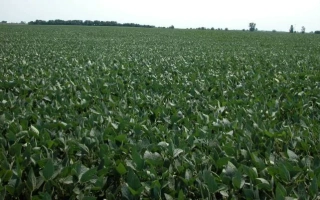
The 'Topaz' soybean variety is an early-maturing indeterminate variety recommended for cultivation in the Far East region. The vegetation period ranges from 89 to 102 days, ensuring early maturation. Plants reach a height of 44 to 62 cm, featuring three-leaflet, pointed-ovate leaves and purple flowers. Pods are curved in shape, with a reddish-brown color and pubescence, containing 2-3 pale-yellow seeds with a smooth surface and a short, narrow yellow scar with a white eye in the center. The mass of 1000 seeds varies from 140 to 177 g, with protein content in seeds reaching up to 41.7% and fat content up to 20.5%. The average yield in the region is about 16.7 c/ha, with a potential yield of up to 24.3 c/ha. The variety is recommended for the production of oilseed products due to the high protein and fat content in the seeds. Optimal sowing dates are from May 15 to June 15 upon soil warming to 10-12 °C at a depth of 5 cm, using narrow-row or wide-row sowing with inter-row distances of 15, 30, or 45 cm. The recommended plant density at harvest is 600-700 thousand units/ha. 'Topaz' soybeans are distinguished by their high adaptability to the region's climatic conditions and provide stable yields with proper adherence to agro-technical requirements. Early maturation and high oil content make this variety attractive for agricultural producers focused on the efficient production of soybean oil and protein. Due to its characteristics, the variety is suitable for intensive cultivation and can be successfully used in the agro-technologies of the Far East region.
Crop & resistance
Crop
Disease resistance
Specifications
| Growing Season | 90-100 days |
|---|---|
| Plant: plant height | 40-50cm, 50-60cm |
| Seeds: oil content | 20-21% |
| Seeds: protein content | 41-43% |
| Registration year | 2020 |
| Catalog | Catalog → Soybean |
| Legal data |
Show · 2 |
| Country | Russia |
No reviews yet. Be the first to share your experience.
Alternatives
Soybean seeds · similar varieties


See also
Often considered together with this variety




Recently viewed
Products you’ve viewed on this site
Reviews