


SKU #63651
·
67 views
Sparta
Soybean
LLC COMPANY 'SOEVY COMPLEX'User rating
0 votes0% positive reviews
No ratings yet — be the first.
Growing Season
90-100 days
Plant; plant height
60-70cm
Seeds: oil content
22-23%
Seeds: protein content
39-41%
About product

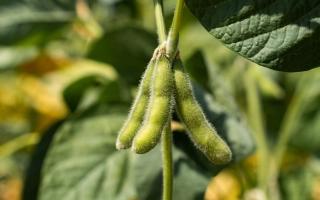
Soy variety SPARTA is an early-maturing grain variety with a semi-determinate growth type and a vegetation period of about 98-103 days. The plants are of medium height, about 73 cm, with a semi-erect shape and reduced branching. Seeds are light yellow, small, elongated and flattened, with a mass of 1000 seeds of about 134 g. The variety is characterized by a high protein content (from 38% to 42%)…
Growing Season
90-100 days
Plant; plant height
60-70cm
Seeds: oil content
22-23%
Seeds: protein content
39-41%
Description
Soy variety SPARTA is an early-maturing grain variety with a semi-determinate growth type and a vegetation period of about 98-103 days. The plants are of medium height, about 73 cm, with a semi-erect shape and reduced branching. Seeds are light yellow, small, elongated and flattened, with a mass of 1000 seeds of about 134 g. The variety is characterized by a high protein content (from 38% to 42%) and oil (about 22-23%), which makes it attractive for the production of high-quality grain. Flowers are white, and stem pubescence is gray, which also belongs to its morphological features.
SPARTA is distinguished by high yield, reaching in some cases up to 39.8 centners/hectare, and a maximum potential of 4.19 tons/hectare in southern regions of Russia. The variety is resistant to lodging of plants and pod cracking during prolonged storage, which ensures crop preservation. It also shows high resistance to Fusarium, medium resistance to powdery mildew and downy mildew. Thanks to plasticity to row width (from 7.5 to 70 cm) and good response to irrigation, the variety is adapted to various cultivation conditions.
SPARTA is recommended for cultivation in southern regions, in particular in Krasnodar Krai, and is well suited for late sowing dates, up to July 5, which allows its use in subsequent crops. Sowing rates vary depending on the method of sowing: 450-500 thousand seeds per hectare with wide-row and 600-650 thousand with row sowing. The variety demonstrates high productivity in both dry and wet years, which makes it a reliable choice for agricultural producers seeking to obtain a stable and high-quality soybean crop.
SPARTA is distinguished by high yield, reaching in some cases up to 39.8 centners/hectare, and a maximum potential of 4.19 tons/hectare in southern regions of Russia. The variety is resistant to lodging of plants and pod cracking during prolonged storage, which ensures crop preservation. It also shows high resistance to Fusarium, medium resistance to powdery mildew and downy mildew. Thanks to plasticity to row width (from 7.5 to 70 cm) and good response to irrigation, the variety is adapted to various cultivation conditions.
SPARTA is recommended for cultivation in southern regions, in particular in Krasnodar Krai, and is well suited for late sowing dates, up to July 5, which allows its use in subsequent crops. Sowing rates vary depending on the method of sowing: 450-500 thousand seeds per hectare with wide-row and 600-650 thousand with row sowing. The variety demonstrates high productivity in both dry and wet years, which makes it a reliable choice for agricultural producers seeking to obtain a stable and high-quality soybean crop.
Crop & resistance
Crop
Disease resistance
Specifications
| Growing Season | 90-100 days |
|---|---|
| Plant; plant height | 60-70cm |
| Seeds: oil content | 22-23% |
| Seeds: protein content | 39-41% |
| Registration year | 2017 |
| Catalog | Catalog → Soybean |
| Manufacturer | LLC COMPANY 'SOEVY COMPLEX' |
| Legal data |
Show · 3
|
| Country | Russia |
Store offers
Prices are updated on loadLoading offers…
Available at: Свое Фермерство
Aggregator catalog: prices are collected automatically from store websites, normalized by AI and converted at the current exchange rate. Before ordering, confirm the price and availability on the store's website. This block is not indexed by search engines — the data is loaded after the page opens.
Not yet комментариев. Be the first!
Alternatives
Soybean seeds · similar varieties




See also
Often considered together with this variety


Recently viewed
Products you’ve viewed on this site
Reviews · 0