


SKU #63688
·
67 views
GRACIA
Soybean
INSTITUT ZA RATARSTVO I POVRTARSTVOUser rating
0 votes0% positive reviews
No ratings yet — be the first.
Growing Season
90-100 days
Seeds: oil content
20-21%
Seeds: protein content
35-37%
Registration year
2014
Store offers · 3 from 3 stores
Prices are updated on loadLoading offers…
Available at: Agrise · Agroterem · Snpk
Aggregator catalog: prices are collected automatically from store websites, normalized by AI and converted at the current exchange rate. Before ordering, confirm the price and availability on the store's website. This block is not indexed by search engines — the data is loaded after the page opens.
About product

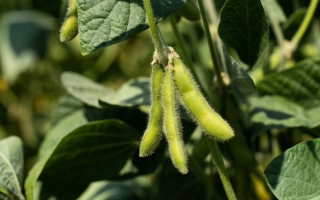
Gracia soybean (Glycine max (L.) Merr.) is a medium-early and early variety with indeterminate plant growth, with heights varying from low to medium. Plants are characterized by reddish-brown pubescence, purple flower coloration, and round-ovate-shaped medium-sized lateral leaflets with green coloration. The hypocotyl is anthocyanin-colored, and pods are brown. Seeds are elongated-flattened in sha…
Growing Season
90-100 days
Seeds: oil content
20-21%
Seeds: protein content
35-37%
Registration year
2014
Description
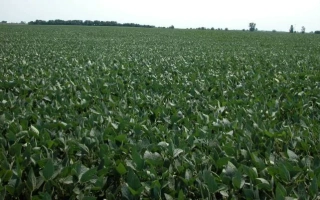
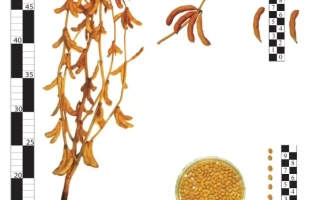
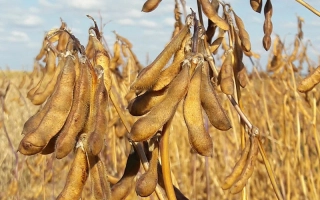
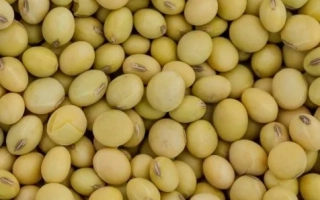
Gracia soybean (Glycine max (L.) Merr.) is a medium-early and early variety with indeterminate plant growth, with heights varying from low to medium. Plants are characterized by reddish-brown pubescence, purple flower coloration, and round-ovate-shaped medium-sized lateral leaflets with green coloration. The hypocotyl is anthocyanin-colored, and pods are brown. Seeds are elongated-flattened in shape with yellow-green seed coats and yellow hilums. The variety is adapted to various regions of Russia, including the East Siberian and Far Eastern regions, as well as the Central Black Earth and Lower Volga regions. The vegetation period ranges from 90 to 97 days, ensuring early maturity. The mass of 1000 seeds varies from 135.6 to 187 g depending on the growing region. The optimal seeding density before harvest is 550–650 thousand plants per hectare, with a recommended row width of 15 or 30 cm. Gracia is distinguished by its high protein content in seeds — from 29.8% to 38.3%, as well as fat content within 20.5–25.2%. The yield of the variety varies depending on the region and growing conditions: average yield reaches 16.8–21.2 c/ha, while maximum yield reaches up to 38.4 c/ha. Due to its characteristics and adaptability, the Gracia variety is a promising choice for soybean production in various climatic zones of Russia.
Crop & resistance
Crop
Disease resistance
Specifications
| Growing Season | 90-100 days |
|---|---|
| Seeds: oil content | 20-21% |
| Seeds: protein content | 35-37% |
| Registration year | 2014 |
| Catalog | Catalog → Soybean |
| Manufacturer | INSTITUT ZA RATARSTVO I POVRTARSTVO |
| Legal data |
Show · 4
|
| Country | Serbia |
Not yet комментариев. Be the first!
Alternatives
Soybean seeds · similar varieties




See also
Often considered together with this variety





Recently viewed
Products you’ve viewed on this site
Reviews · 0