


SKU #42291
·
77 views
Alaska
Soybean
Semences Prograin IncUser rating
0 votes0% positive reviews
No ratings yet — be the first.
Growing Season
90-100 days
Plant; plant height
70-80cm
Seeds: oil content
19-20%
Seeds: protein content
39-41%
About product

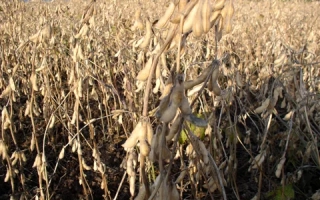
Alaska soybean variety is an early-maturing determinate type with a vegetative period of 90 to 105 days. Plants are low-growing, about 76 cm tall, with medium-sized yellow seeds and yellow hilum. This variety is distinguished by high protein content in seeds — 39.4%, as well as fat — 19.9%, making it especially valuable for the food industry.Alaska adapts to various soil-climate conditions and is…
Growing Season
90-100 days
Plant; plant height
70-80cm
Seeds: oil content
19-20%
Seeds: protein content
39-41%
Description
Alaska soybean variety is an early-maturing determinate type with a vegetative period of 90 to 105 days. Plants are low-growing, about 76 cm tall, with medium-sized yellow seeds and yellow hilum. This variety is distinguished by high protein content in seeds — 39.4%, as well as fat — 19.9%, making it especially valuable for the food industry.
Alaska adapts to various soil-climate conditions and is recommended for planting on all soil types. It is resistant to major diseases and stress factors, as well as exhibiting high lodging resistance, rated at 7 points. The average yield of this variety is about 21.2 centners/ha, with a maximum yield up to 29.2 centners/ha, which corresponds to 3.5 tons/ha at a planting density of 600-700 thousand plants per hectare.
This soybean variety is characterized by high initial growth energy and is suitable for mass production of food products such as tofu, miso, and soy beverages. Due to its characteristics and stable yield, Alaska is a reliable choice for agricultural production, ensuring the preservation of identity and high quality of the harvest.
Alaska adapts to various soil-climate conditions and is recommended for planting on all soil types. It is resistant to major diseases and stress factors, as well as exhibiting high lodging resistance, rated at 7 points. The average yield of this variety is about 21.2 centners/ha, with a maximum yield up to 29.2 centners/ha, which corresponds to 3.5 tons/ha at a planting density of 600-700 thousand plants per hectare.
This soybean variety is characterized by high initial growth energy and is suitable for mass production of food products such as tofu, miso, and soy beverages. Due to its characteristics and stable yield, Alaska is a reliable choice for agricultural production, ensuring the preservation of identity and high quality of the harvest.
Crop & resistance
Crop
Specifications
| Growing Season | 90-100 days |
|---|---|
| Plant; plant height | 70-80cm |
| Seeds: oil content | 19-20% |
| Seeds: protein content | 39-41% |
| Registration year | 2016 |
| Catalog | Catalog → Soybean |
| Manufacturer | Semences Prograin Inc |
| Legal data |
Show · 1
|
Store offers
Prices are updated on loadLoading offers…
Aggregator catalog: prices are collected automatically from store websites, normalized by AI and converted at the current exchange rate. Before ordering, confirm the price and availability on the store's website. This block is not indexed by search engines — the data is loaded after the page opens.
Not yet комментариев. Be the first!
Alternatives
Soybean seeds · similar varieties




See also
Often considered together with this variety


Recently viewed
Products you’ve viewed on this site
Reviews · 0