


SKU #42306
·
66 views
Artemida
Soybean
User rating
0 votes0% positive reviews
No ratings yet — be the first.
Growing Season
110-120 days
Plant; plant height
70-80cm
Seeds: oil content
20-21%
Seeds: protein content
39-41%
Prices in stores
from24.91 €per 1 kg
pack from 24.91 € per 1 kg
1 offer from 1 store
Store offers · 1 from 1 stores
Prices are updated on loadLoading offers…
Available at: Інститут зернових культур
Aggregator catalog: prices are collected automatically from store websites, normalized by AI and converted at the current exchange rate. Before ordering, confirm the price and availability on the store's website. This block is not indexed by search engines — the data is loaded after the page opens.
About product

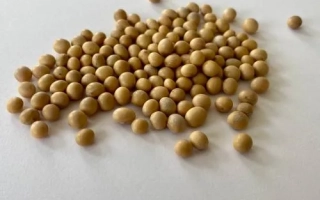
A reliable mid-season soybean variety with high protein content for consistent yield.
Growing Season
110-120 days
Plant; plant height
70-80cm
Seeds: oil content
20-21%
Seeds: protein content
39-41%
Description
A Reliable Choice in Ukrainian Selection
The Artemida soybean variety, developed by the Krasnohrad Experimental Station of the UAAS, has established itself as a stable and reliable solution within the Ukrainian agricultural market. It is a mid-season cultivar designed to provide consistent performance, appealing to farmers who prioritize predictability and proven genetics in their production cycles.
Agronomic Profile
With a vegetation period of 110–120 days, Artemida fits well into the crop rotation plans of many regional farms. The plants reach a height of 70–80 cm, exhibiting strong lodging resistance, which significantly simplifies the harvesting process and reduces potential grain losses. The variety is characterized by its adaptability to the typical soil and climatic conditions found throughout the Ukrainian steppe and forest-steppe zones.
Quality Standards for Market Processing
The commercial value of Artemida is driven by its consistent biochemical parameters, which meet the requirements of both the feed industry and oilseed processing plants:
- Protein content: 39–41%. A high protein profile ensures excellent nutritional value for livestock feed.
- Oil content: 20–21%. This balanced composition makes the grain an efficient feedstock for oil extraction facilities.
For agricultural producers, Artemida represents a balanced approach to soybean cultivation, combining long-term market reliability with standardized quality metrics that ensure profitability throughout the harvesting season.
Crop & resistance
Crop
Specifications
| Growing Season | 110-120 days |
|---|---|
| Plant; plant height | 70-80cm |
| Seeds: oil content | 20-21% |
| Seeds: protein content | 39-41% |
| Registration year | 2001 |
| Catalog | Catalog → Soybean |
| Legal data |
Show · 1
|
| Country | Ukraine |
Not yet комментариев. Be the first!
Alternatives
Soybean seeds · similar varieties




See also
Often considered together with this variety




Recently viewed
Products you’ve viewed on this site
Reviews · 0