


SKU #66319
·
31 views
Knyazhna
Sorghum
North Caucasian FARCUser rating
0 votes0% positive reviews
No ratings yet — be the first.
Direction
Grain, Silage, Hay
Vegetation Period
120-130 days
Grain; Color
Light Brown
Grain; Protein Content
11-12%
About product

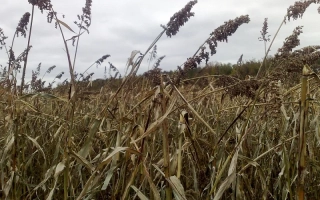
KNYAZHNA is a sugar sorghum hybrid developed through sterilization-based hybridization, belonging to the sugar sorghum group. The plants reach a height of 250–270 cm, have an upright bush with weak branching, and elongated light-green leaves up to 80 cm long. The panicle is pyramidal, of medium length around 30 cm, loose, with a long neck. The grain is elliptical, light brown, with semi-glassy end…
Direction
Grain, Silage, Hay
Vegetation Period
120-130 days
Grain; Color
Light Brown
Grain; Protein Content
11-12%
Description
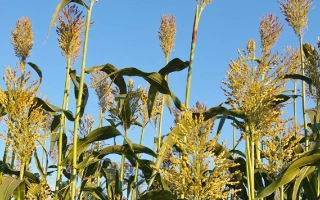
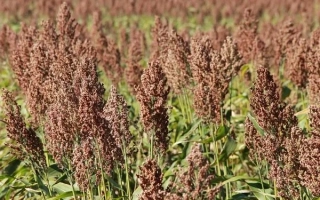
KNYAZHNA is a sugar sorghum hybrid developed through sterilization-based hybridization, belonging to the sugar sorghum group. The plants reach a height of 250–270 cm, have an upright bush with weak branching, and elongated light-green leaves up to 80 cm long. The panicle is pyramidal, of medium length around 30 cm, loose, with a long neck. The grain is elliptical, light brown, with semi-glassy endosperm; 1000 seeds weigh 19.8-22.8 g. The hybrid is medium-late maturing, with average heading time, very low or absent shattering, and medium stem brittleness.
Sorghum KNYAZHNA is characterized by high drought and salt tolerance, allowing cultivation in areas with insufficient moisture, such as the North Caucasus, Volga Region, and the Far East. Despite its resistance to soil and air drought, the crop responds well to irrigation, which helps increase yield. The hybrid shows moderate damage by armyworms and low susceptibility to bacterial blight and panicle smut, enhancing its resistance to diseases and pests.
KNYAZHNA is used for grain, silage, green mass, hay, and silage production. The grain contains 70-75% starch, 12-13% protein, and 3.5% fat, making it a valuable feed resource. The potential yield of the hybrid reaches 800 centners/ha of green mass, 210 centners/ha of dry matter, and 50 centners/ha of ripe grain. The maximum green mass yield recorded in the Amur region was 213 centners/ha. Due to its morphological and biological features, KNYAZHNA is a promising hybrid for cultivation in arid conditions, ensuring stable and high yields.
Sorghum KNYAZHNA is characterized by high drought and salt tolerance, allowing cultivation in areas with insufficient moisture, such as the North Caucasus, Volga Region, and the Far East. Despite its resistance to soil and air drought, the crop responds well to irrigation, which helps increase yield. The hybrid shows moderate damage by armyworms and low susceptibility to bacterial blight and panicle smut, enhancing its resistance to diseases and pests.
KNYAZHNA is used for grain, silage, green mass, hay, and silage production. The grain contains 70-75% starch, 12-13% protein, and 3.5% fat, making it a valuable feed resource. The potential yield of the hybrid reaches 800 centners/ha of green mass, 210 centners/ha of dry matter, and 50 centners/ha of ripe grain. The maximum green mass yield recorded in the Amur region was 213 centners/ha. Due to its morphological and biological features, KNYAZHNA is a promising hybrid for cultivation in arid conditions, ensuring stable and high yields.
Crop & resistance
Crop
Disease resistance
Pest resistance
Specifications hover over for a hint about the specification
|
Direction
Direction
Existing varieties and types of cabbage are grown for fresh consumption, long-term storage, and technical processing. |
|
|---|---|
| Vegetation Period | 120-130 days |
| Grain; Color | |
| Grain; Protein Content | 11-12% |
| Grain; Starch Content | 70-80% |
| Grain; Tannin Content | |
| Plant; height | 180-200cm |
| Registration year | 2003 |
| Catalog | Catalog → Sorghum |
| Manufacturer | North Caucasian FARC |
| Legal data |
Show · 6
|
| Country | Russia |
Store offers
Prices are updated on loadLoading offers…
Aggregator catalog: prices are collected automatically from store websites, normalized by AI and converted at the current exchange rate. Before ordering, confirm the price and availability on the store's website. This block is not indexed by search engines — the data is loaded after the page opens.
Not yet комментариев. Be the first!
Alternatives
Sorghum seeds · similar varieties







See also
Often considered together with this variety





Recently viewed
Products you’ve viewed on this site
Reviews · 0