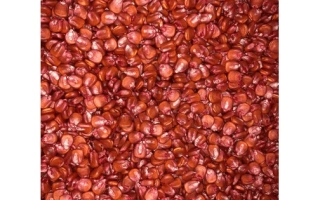
Tala soybean variety is a high-yielding crop adapted to various soil-climate conditions. The plant reaches a height of 80-100 cm and is characterized by high drought resistance, ensuring a stable yield even under adverse weather conditions. Genetic resistance to herbicides and low fertilizer requirements during reproductive organ formation make this variety economically advantageous for cultivation. The ultraealy maturing group allows for rapid harvest and timely crop collection.
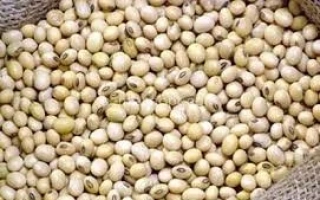
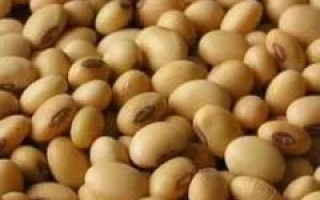
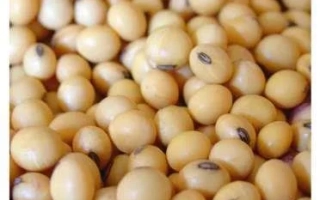
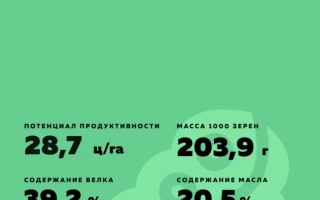
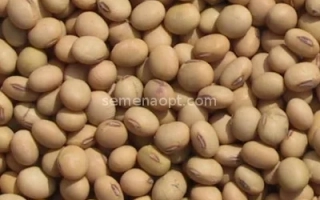
Tala soybean seeds are distinguished by high protein content, reaching up to 42%, making them valuable raw material for both food and feed industries. Uniform maturation and homogeneous seed quality contribute to improved final product quality. Moderate tannin content and reduced levels of vicine and convicine enhance nutritional value and product safety. High nitrogen fixation capacity contributes to soil fertility improvement, which is especially important in crop rotation, recommending soybean planting before cereal crops.
For successful cultivation of the Tala variety, attention should be paid to soil preparation, proper sowing, and protection of plants from diseases and pests. The variety demonstrates high resistance to lodging and stem breakage, simplifying harvest and reducing yield losses. Due to its agronomic characteristics and high technological performance, Tala soybean is an advantageous choice for farmers seeking quality and stable yields.