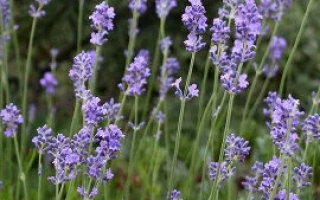
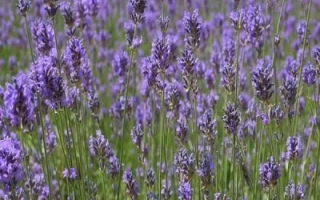
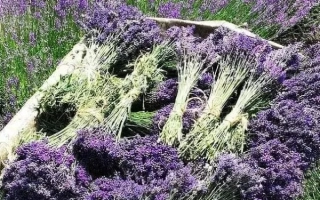
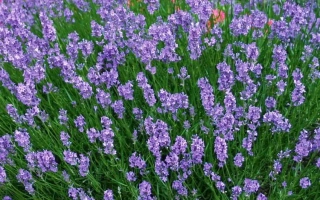
Sage – a perennial plant reaching a height of 60 to 100 cm, with straight stems and large oval leaves up to 15 cm long and about 10 cm wide. The leaves are light green and slightly hairy, while the flowers are bright white-blue or pinkish-purple, gathered in large panicle-like inflorescences up to 40 cm long. Flowering occurs in June–August, with the plant showing good drought resistance and moderate cold tolerance.
Sage is highly valued as a spice and medicinal remedy. In fresh or dried form, the leaves and flowers are used to flavor dishes, tea, sauces, and cheeses. Herbal infusions made from leaves are used for fever, digestive disorders, and as gargles for respiratory diseases – angina, laryngitis. In folk medicine, sage is known for its antiseptic and wound-healing properties.
The plant easily adapts to various soils but prefers fertile, sunny areas. Sowing seeds is possible in spring or autumn; under good conditions, growth can reach 70–90 cm in height. Sage is also valued as a nectar plant: bees actively collect nectar and pollen from it, and the resulting honey has an amber color and high taste quality.