


SKU #66731
·
43 views
ONOHOYSKAYA
Rye
User rating
0 votes0% positive reviews
No ratings yet — be the first.
Type
Spring barley
Maturation Period
Mid-season variety
Resistance to Falling
Average
Registration year
1943
About product

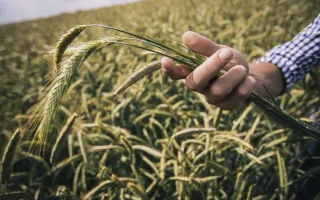
ONOHOYSKAYA is a mid-early spring rye variety, distinguished by high drought and frost resistance, allowing sowing when soil temperature is only 1-2°C. The vegetative period of the variety ranges from 76 to 123 days depending on growing conditions. The plant is tall, reaching a height of 2-3 meters, with narrow leaves and weak bushiness. The ear is narrow, prismatic in shape, of medium or long len…
Type
Spring barley
Maturation Period
Mid-season variety
Resistance to Falling
Average
Registration year
1943
Description
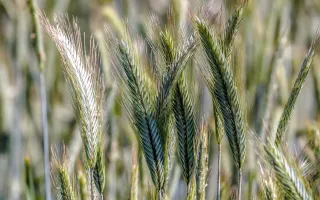
ONOHOYSKAYA is a mid-early spring rye variety, distinguished by high drought and frost resistance, allowing sowing when soil temperature is only 1-2°C. The vegetative period of the variety ranges from 76 to 123 days depending on growing conditions. The plant is tall, reaching a height of 2-3 meters, with narrow leaves and weak bushiness. The ear is narrow, prismatic in shape, of medium or long length and medium density, with medium-length axes that sometimes break off upon ripening. Grains are semi-open or open, elongated, with a finely wrinkled surface of gray-green color with a yellowish tint, firmly held in glume scales and shed slightly. The variety demonstrates uniform germination and rapid growth at the beginning of vegetation, which contributes to effective weed suppression. The mass of 1000 grains ranges from 24 to 35 grams, the grain is of medium size with a protein content of about 14.6% and starch 54.2%. The ear is semi-bent, long and dense, lodging resistance is medium. Onohoy rye has high resistance to diseases, including septoria, and pests, as well as good resistance to summer drought. With proper agronomy, the variety yield reaches 18-27 centners per hectare, and in some regions, for example in Eastern Siberia, the average yield can be up to 45.8 c/ha, with record indicators up to 39 c/ha. The grain of the variety has good milling and baking characteristics, making it in demand for the food industry. Onohoy rye is recommended for cultivation in regions of Eastern Siberia, including the Republic of Buryatia and Krasnoyarsk Krai.
Crop & resistance
Crop
Disease resistance
Specifications hover over for a hint about the specification
|
Type
Type
Galia (Galia) type — relatively new, of Israeli origin, although there are indications that this variety may originate from Spain. The fruits of this type are round or oval, weighing about 1 kg. The surface is smooth, covered with a delicate, connected netting, turning yellow whe... |
|
|---|---|
|
Maturation Period
Maturation Period
Vegetation period from emergence to technical maturity 30-50 days. |
Mid-season variety |
| Resistance to Falling | |
| Registration year | 1943 |
| Catalog | Catalog → Rye |
| Legal data |
Show · 1 |
| Country | Russia |
Store offers
Prices are updated on loadLoading offers…
Aggregator catalog: prices are collected automatically from store websites, normalized by AI and converted at the current exchange rate. Before ordering, confirm the price and availability on the store's website. This block is not indexed by search engines — the data is loaded after the page opens.
Not yet комментариев. Be the first!




See also
Often considered together with this variety




Recently viewed
Products you’ve viewed on this site
Reviews · 0