


SKU #66624
·
40 views
TETRA KORTKAYA
Rye
User rating
0 votes0% positive reviews
No ratings yet — be the first.
Type
Winter barley
Maturation Period
Mid-season variety
Resistance to Falling
High
Registration year
1986
Prices in stores
from6.52 €per 1 kg
pack from 0.35 € per pack
17 offers from 7 stores
Store offers · 17 from 7 stores
Prices are updated on loadLoading offers…
Available at: Agrodolina · Agrozet · Bulatochka · DFB elements · Leyka · SantehPats · АГРОНАВИГАТОР · Ваша пасіка
Aggregator catalog: prices are collected automatically from store websites, normalized by AI and converted at the current exchange rate. Before ordering, confirm the price and availability on the store's website. This block is not indexed by search engines — the data is loaded after the page opens.
About product

TETRA KORTKAYA is a winter rye variety created in 1986 at the SIBNIIRS branch of the ICIG SB RAS using the method of experimental polyploidy. It represents a tetraploid form, which means doubling the number of chromosomes compared to diploid varieties. Thanks to this, the variety has increased productivity and disease resistance, making it particularly valuable for cultivation in the West Siberian…
Type
Winter barley
Maturation Period
Mid-season variety
Resistance to Falling
High
Registration year
1986
Description
TETRA KORTKAYA is a winter rye variety created in 1986 at the SIBNIIRS branch of the ICIG SB RAS using the method of experimental polyploidy. It represents a tetraploid form, which means doubling the number of chromosomes compared to diploid varieties. Thanks to this, the variety has increased productivity and disease resistance, making it particularly valuable for cultivation in the West Siberian and East Siberian regions.
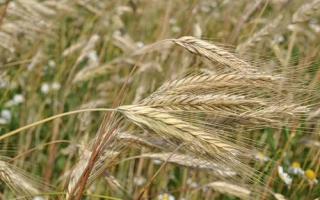
Plants of the TETRA KORTKAYA variety have a shortened stem height ranging from 77 to 149 cm, which contributes to lodging resistance. The ear is prismatic, yellow in color, and of medium length; the grain varies from medium size to large and has a yellow-green hue. The maturity period is medium-late, and winter hardiness is at the level of the standard. Yield results from state variety trials range from 16.0 to 37.2 c/ha, with a maximum recorded yield reaching 57.1 c/ha.
The variety is characterized by high resistance to diseases and pests, which increases the reliability of its cultivation. To achieve optimal results, it is recommended to sow TETRA KORTKAYA in settled areas of Siberia on black fallow, and in forest-steppe areas on cereal fallow without summer plowing with soil rolling. These agronomic techniques contribute to better plant development and increased yield.
Plants of the TETRA KORTKAYA variety have a shortened stem height ranging from 77 to 149 cm, which contributes to lodging resistance. The ear is prismatic, yellow in color, and of medium length; the grain varies from medium size to large and has a yellow-green hue. The maturity period is medium-late, and winter hardiness is at the level of the standard. Yield results from state variety trials range from 16.0 to 37.2 c/ha, with a maximum recorded yield reaching 57.1 c/ha.
The variety is characterized by high resistance to diseases and pests, which increases the reliability of its cultivation. To achieve optimal results, it is recommended to sow TETRA KORTKAYA in settled areas of Siberia on black fallow, and in forest-steppe areas on cereal fallow without summer plowing with soil rolling. These agronomic techniques contribute to better plant development and increased yield.
Crop & resistance
Crop
Specifications hover over for a hint about the specification
|
Type
Type
Galia (Galia) type — relatively new, of Israeli origin, although there are indications that this variety may originate from Spain. The fruits of this type are round or oval, weighing about 1 kg. The surface is smooth, covered with a delicate, connected netting, turning yellow whe... |
|
|---|---|
|
Maturation Period
Maturation Period
Vegetation period from emergence to technical maturity 30-50 days. |
Mid-season variety |
| Resistance to Falling | |
| Registration year | 1986 |
| Catalog | Catalog → Rye |
| Legal data |
Show · 4
|
| Country | Russia |
Not yet комментариев. Be the first!




Valdai
ФГБНУ Федеральный исследовательский центр «Немчиновка»
040 1 offer
133.74 €per 1 kg ≈ 6 906 ₴


See also
Often considered together with this variety


STRELKA
ФГБНУ Федеральный Аграрный Научный Центр Северо-востока имени Н.В. Рудницкого
084 3 offers
0.88 €per 1 kg ≈ 45 ₴
Recently viewed
Products you’ve viewed on this site
Reviews · 0