


SKU #74519
·
46 views
Volunteer
Rosehip
User rating
0 votes0% positive reviews
No ratings yet — be the first.
Decorative Plants
Rosehip
Vitamin C content, mg%
300–500
Bush height, cm
1–1.5, 1.5–2
Assignment
Recycling, For Fresh Consumption
About product

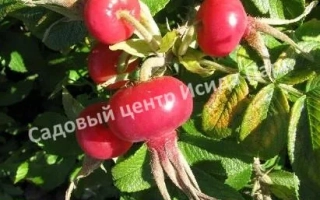
A productive Ukrainian variety rich in Vitamin C, perfect for both fresh market sales and industrial processing.
Decorative Plants
Rosehip
Vitamin C content, mg%
300–500
Bush height, cm
1–1.5, 1.5–2
Assignment
Recycling, For Fresh Consumption
Description
Growing the 'Volonter' Rose Hip: An Operator's Perspective
For a farm manager or garden owner, the 'Volonter' rose hip variety is defined by its balance of aesthetic appeal and high-yield efficiency. Developed in Ukraine, this variety is optimized for regional conditions, ensuring stable productivity and high biochemical value.
Maintenance and Operational Efficiency
The bush reaches a height of 1.5–2 meters, making it highly manageable for maintenance and harvesting. Unlike wild species, 'Volonter' requires minimal training and pruning. It is resilient, disease-resistant, and maintains good vigor, which significantly reduces the time and budget spent on chemical treatments and intensive care.
Utilization and Quality
- Harvesting: The fruits possess high structural integrity, making them well-suited for transportation and fresh-market sales without losing quality.
- Processing: With a Vitamin C content of 300–500 mg%, this variety is highly valued by processors for drying, tea blends, and vitamin-rich concentrates.
- Performance: The plant is winter-hardy and adapts well to various soil types, provided it receives sufficient sunlight, which is crucial for maximizing vitamin synthesis in the berries.
Choosing 'Volonter' means investing in a predictable, low-maintenance crop that consistently delivers high-quality yields, whether for artisanal processing or wholesale distribution.
Specifications
| Decorative Plants | |
|---|---|
| Vitamin C content, mg% | 300–500 |
| Bush height, cm | 1–1.5, 1.5–2 |
| Assignment | |
| Registration year | 2022 |
| Catalog | Catalog → Rosehip |
| Country | Ukraine |
Store offers
Prices are updated on loadLoading offers…
Aggregator catalog: prices are collected automatically from store websites, normalized by AI and converted at the current exchange rate. Before ordering, confirm the price and availability on the store's website. This block is not indexed by search engines — the data is loaded after the page opens.
Not yet комментариев. Be the first!


See also
Often considered together with this variety








Recently viewed
Products you’ve viewed on this site
Reviews · 0