


SKU #67527
·
40 views
Raspberry Vanda
Raspberry
Prices in stores
No offers yet — stores have not added prices for this product yet.
Similar varieties with prices
-
IllusionFANCA
from 6.29 €
-
 Glen AmpleJAMES HUTTON LTD
from 0.7 €per seedling
Glen AmpleJAMES HUTTON LTD
from 0.7 €per seedling
-
 BARNAULSKAYAFANCA
from 3.68 €per seedling
BARNAULSKAYAFANCA
from 3.68 €per seedling
-
 ROVNITSA
from 7.43 €
ROVNITSA
from 7.43 €
Ripening Period
Early
Berry Color
Red
Berry Shape
Oval
Berry weight (g)
2-3
Your mark
0 votes
0% positive ratings
Description
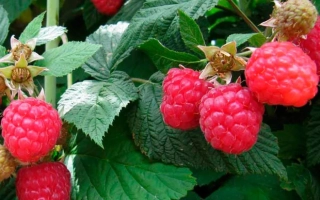
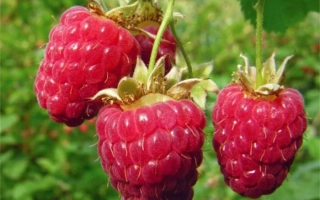
Wanda raspberry is a summer-ripening early-maturing variety, distinguished by its excellent taste and versatile use of berries. The berries are red, trapezoidal in shape, with an average weight of about 2.7 grams, offering a sweet-sour taste with a pronounced aroma. Sugar content in the berries is approximately 7.8%, acidity is 2.6%, and vitamin C reaches 23.7 mg%. The pulp has medium density and moderate fuzziness, giving the berries an attractive appearance and pleasant tactile sensation. The tasting score of fresh berries reaches 4.9 points, confirming their high quality.
Wanda raspberry bushes are medium-sized, semi-upright, with an ability to form about 6-7 shoots per bush. Two-year-old fruit-bearing stems are grayish-brown in color, straight, with moderate prickliness; thorns are located along the entire stem on a purple base. One-year-old shoots are greenish-purple with a waxy coating, without fuzz, but with a large number of brown thorns. Leaves are medium-sized, green, ruffled, with medium curling and fuzziness; leaflet edges have medium-sharp teeth. Side fruit-bearing twigs are hairless with a slight waxy coating, and flowers are small.
The Wanda variety is characterized by good winter hardiness and medium drought tolerance, making it suitable for cultivation in the central region of Russia. It is resistant to pests and diseases, which facilitates care and increases harvest reliability. The raspberry is suitable for cultivation both in open ground and in greenhouses, requiring regular watering, thinning, and fertilization. Due to its high yield and berry quality, the Wanda variety is excellent for growing at cottage plots and in home conditions, as well as for creating decorative compositions on the site.
Wanda raspberry bushes are medium-sized, semi-upright, with an ability to form about 6-7 shoots per bush. Two-year-old fruit-bearing stems are grayish-brown in color, straight, with moderate prickliness; thorns are located along the entire stem on a purple base. One-year-old shoots are greenish-purple with a waxy coating, without fuzz, but with a large number of brown thorns. Leaves are medium-sized, green, ruffled, with medium curling and fuzziness; leaflet edges have medium-sharp teeth. Side fruit-bearing twigs are hairless with a slight waxy coating, and flowers are small.
The Wanda variety is characterized by good winter hardiness and medium drought tolerance, making it suitable for cultivation in the central region of Russia. It is resistant to pests and diseases, which facilitates care and increases harvest reliability. The raspberry is suitable for cultivation both in open ground and in greenhouses, requiring regular watering, thinning, and fertilization. Due to its high yield and berry quality, the Wanda variety is excellent for growing at cottage plots and in home conditions, as well as for creating decorative compositions on the site.
Specifications
| Ripening Period | Early |
|---|---|
| Berry Color | |
| Berry Shape | |
| Berry weight (g) | 2-3 |
| Flavor | |
| Thorniness of shoots | |
| Cold Resistance | |
| Care Requirement | |
| Registration year | 2017 |
| Catalog | Catalog → Raspberry |
| Legal data | |
| Country | Russia |
No reviews yet. Be the first to share your experience.
Alternatives
Raspberry saplings · similar varieties



See also
Often considered together with this variety


Recently viewed
Products you’ve viewed on this site
Reviews