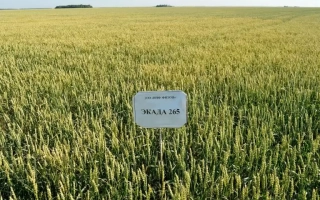
The NICA wheat variety is a high-yielding spring wheat variety developed in the Urals, intended for food and feed purposes. It is characterized by resistance to major diseases such as powdery and solid bunt, brown rust, and Hessian fly, ensuring crop stability and reducing losses during cultivation. Due to its high protein and gluten content, NICA grain possesses excellent baking qualities, making it in demand for producing quality flour and bakery products.
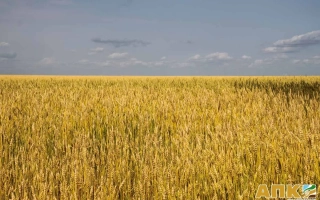
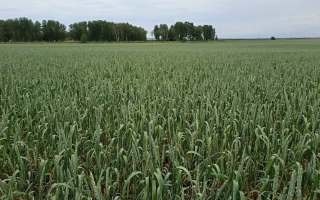
The NICA variety is characterized by high yield, exceeding standard indicators, for example, the variety Kateryna, by approximately 0.5 tons per hectare. It is resistant to lodging, which facilitates harvest and improves grain quality. Biologically, the variety is early-maturing; the period from germination to heading is about 40 days, allowing efficient use in various climatic conditions. Additionally, the variety demonstrates good drought resistance, making it suitable for cultivation in both wetter and arid regions.
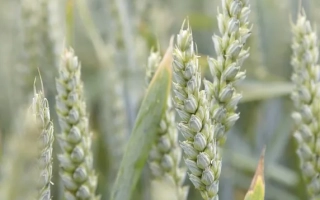
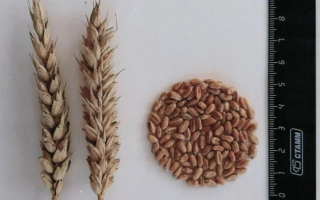
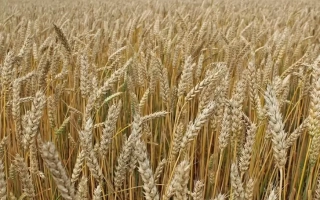
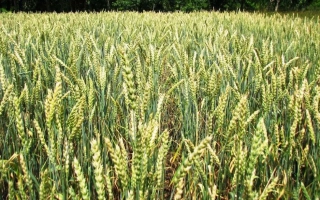
NICA grain is large, white, elongated in shape with a deep groove and vitreous structure. The mass of 1000 grains reaches 41 grams and can increase to 47 grams in favorable years. The ear is cylindrical, large, with a density of 22-24 ears per 10 cm of length. The variety is characterized by stable yield and high grain quality, ensuring its competitiveness in the market. Using the NICA variety allows increasing the economic efficiency of agricultural production by increasing yield and improving product quality.