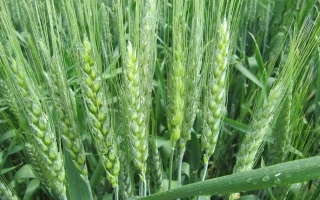
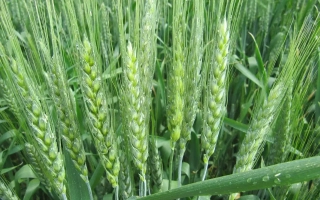
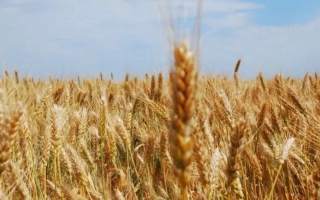
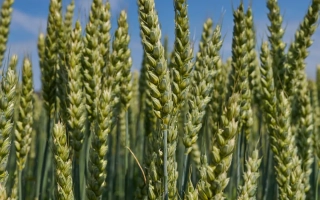
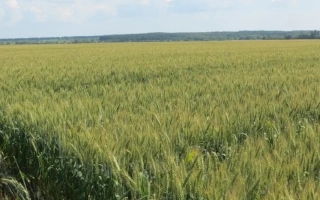
Winter wheat variety Kiev 19 is one of the leading food crops widely used for bread and other food products production. This variety was developed based on scientific research conducted at the Institute of Plant Physiology and Genetics of the National Academy of Sciences of Ukraine and is characterized by high productivity, ensuring a stable yield ranging from 7.5 to 14.4 tons per hectare. Kiev 19 is adapted to modern climatic conditions, possesses high winter hardiness and drought resistance, making it in demand across various regions of Ukraine and contributing to the country's food security.
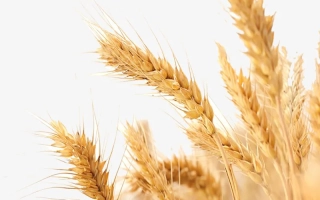
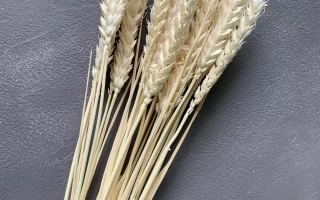
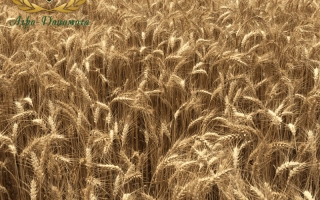
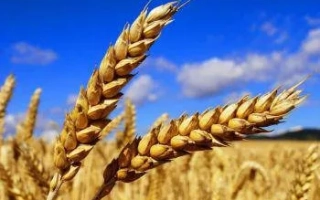
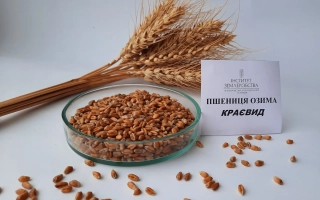
Kiev 19 belongs to soft wheat, erythrospermum type, and is characterized by medium maturity. The plant has an intermediate bush form, a strong and hollow stem of medium thickness, green leaves with two-day pubescence and no waxy coating. The ear is cylindrical, white in color, loose, about 10.5 cm long. The grain is medium-sized, red, pubescent, elongated in shape with a shallow groove. The variety demonstrates high resistance to lodging, shattering, root rot, septoria, fusarium, brown rust, and powdery mildew, ensuring reliable yields.
The wheat grain of variety Kiev 19 has high nutritional content, including 12–24% protein, 53–58% starch, about 2% fat, as well as ash and fiber. These indicators make it particularly valuable for food use. The recommended seeding rate is 5.5–6.0 million viable seeds per hectare. Due to its combination of high yield, adaptability, and superior grain quality, variety Kiev 19 is a key component of the agricultural sector and supports the development of sustainable agriculture.