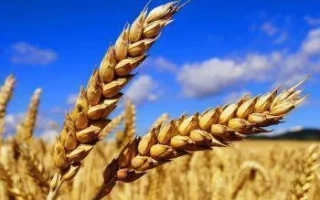
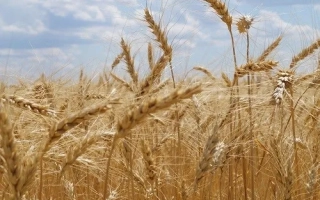
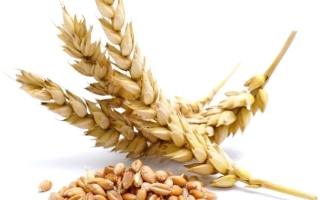
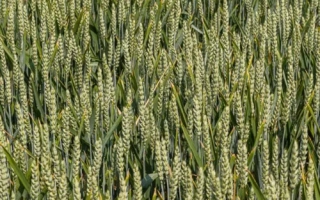
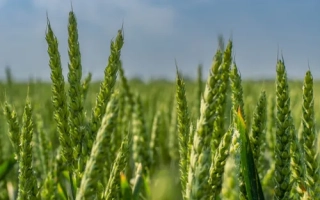
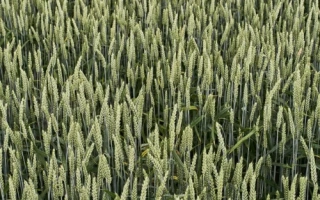
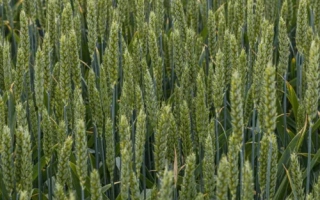
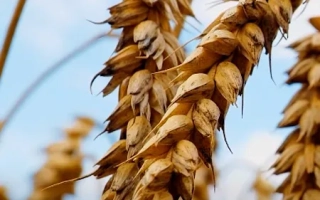
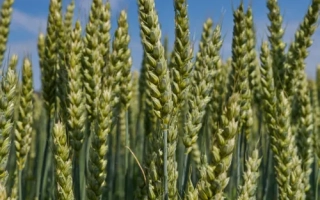
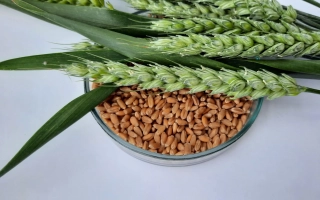
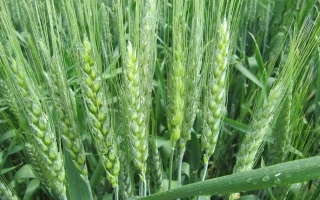
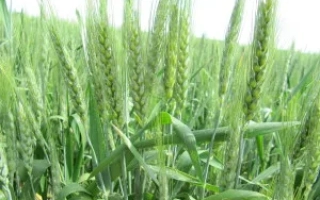
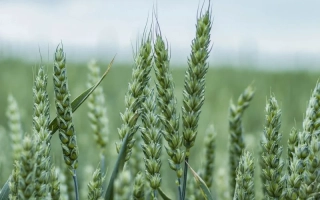
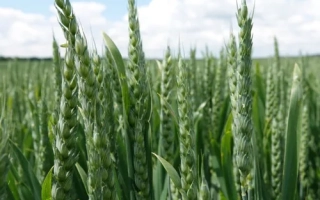
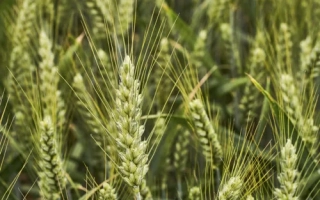
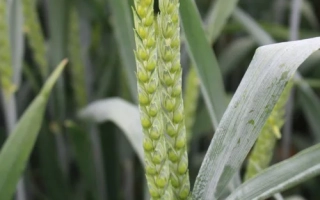
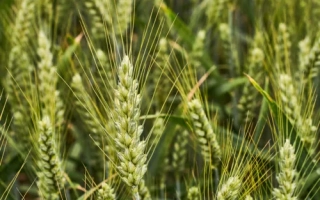
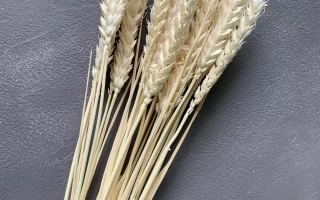
The winter wheat variety Kan is a semi-intensive lutescent variety developed taking into account the regional characteristics of the forest-steppe and steppe zones. It is characterized by a potential yield of up to 10 tons per hectare and a vegetation period of about 275 days. The stem height reaches 100 cm, and the ear length is 10.5 cm. The thousand-grain weight is 43 grams, the natural density is 830 g/l, the protein content reaches 14%, and the gluten content up to 30%. These indicators provide high baking properties for the variety, with a score of 8.5 points and loaf volume up to 700 ml, making it in demand for food production.
Kan is distinguished by high resistance to various diseases and pests, including powdery and hard rust, powdery mildew, brown and yellow rust, as well as leaf septoria, with resistance scores ranging from 8 to 9 points. In addition, the variety exhibits good winter hardiness (7–8 points), cold resistance, and drought tolerance (8 points), enabling successful cultivation under challenging climatic conditions. The variety is also resistant to lodging, which simplifies crop care and reduces yield losses.
The recommended seeding rate is 4.5–5 million seeds per hectare. Kan is well adapted for use with modern intensive cultivation technologies and is suitable for crop rotations following peas, soybeans, lentils, early corn, and sunflowers. Due to its characteristics and resistance, this variety is a reliable choice for farmers aiming to obtain a high-quality wheat yield.