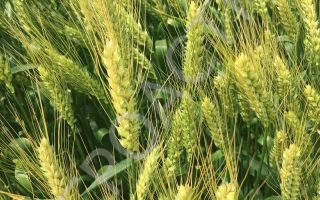
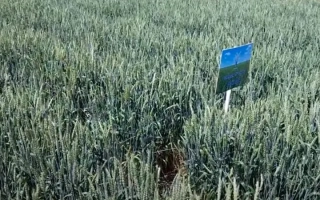
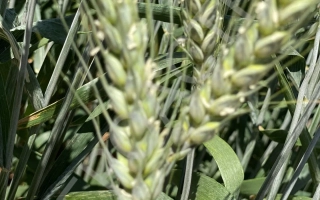
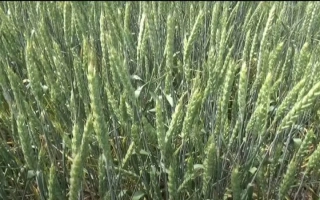
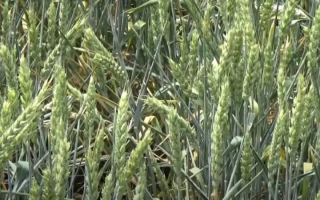
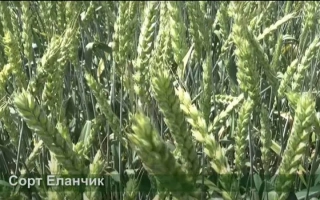
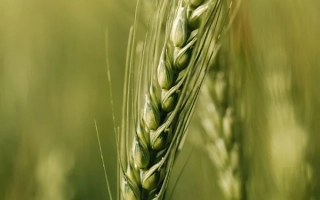
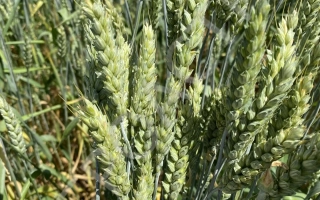
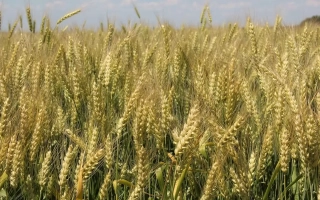
MORETS is a variety of soft winter wheat created through intraspecific hybridization and individual selection, possessing medium-late maturity and medium-height characteristics. It is distinguished by a semi-dwarf growth type, high winter hardiness, and frost resistance, ensuring reliable overwintering in complex climatic conditions. The variety also demonstrates high drought and heat tolerance, making it particularly suitable for cultivation in southern regions of Russia, such as the North Caucasus and Lower Volga regions, as well as other areas with similar soil and climatic conditions.
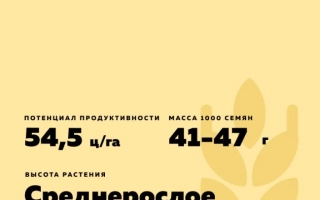
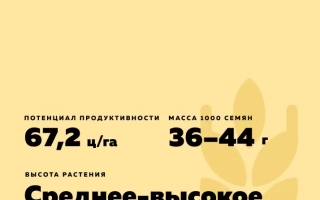
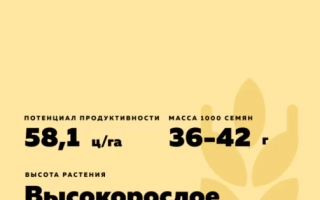
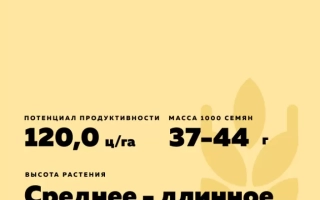
MORETS is characterized by resistance to lodging and major diseases, including powdery mildew, as well as moderate resistance to brown and yellow rust. However, the variety is susceptible to glume blotch, which requires attention during agronomic activities. The mass of 1000 grains ranges from 37 to 46 grams, indicating large grain size and high grain quality. Thanks to these properties, the variety ensures high yield, which in the North Caucasus region averages 52.8 centners per hectare.
The grain of the MORETS variety is distinguished by high baking qualities, making it versatile for producing various bakery products. The variety was created using complex step-by-step hybridization and rigorous purposeful selection, resulting in a plant with an optimal combination of productivity, resistance to adverse factors, and grain quality characteristics. This makes MORETS an attractive choice for agrarians seeking a stable and high-quality harvest in the southern and southeastern regions of Russia.