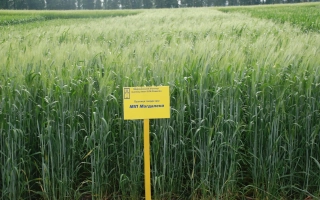
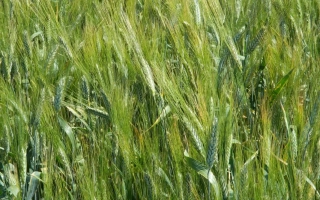
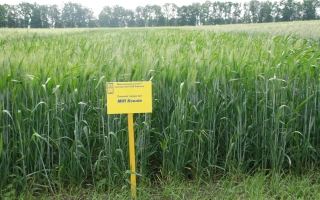
Meisa is a medium-maturing variety of hard wheat, developed by the Institute of Plant Growing named after V.Ya. Yur'ev of NAAN in 2020. It is recommended for cultivation in the Steppe and Forest-Steppe regions of Ukraine. The variety is characterized by high yield potential, with average yields of 3.4 t/ha and potential yields up to 6 t/ha. Plants are approximately 98–105 cm tall, resistant to lodging and shattering, ensuring reliable harvests. The recommended seeding rate is 5 million seeds per hectare, and seeds should be treated with fungicides and insecticides prior to sowing to protect against diseases and pests.
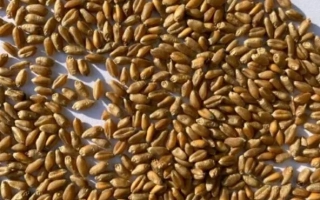
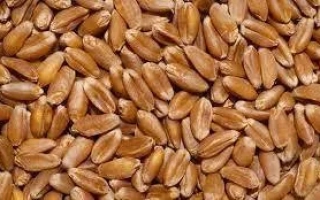
This variety is characterized by high grain quality with excellent pasta-making properties. Protein content in the grain ranges from 14–15.1%, ensuring high nutritional value. The grain has a light-yellow color, firm structure, and up to 90% gluten content, which is an important indicator for pasta production. The variety also exhibits increased levels of carotenoid pigments (4.89 mg/kg) and a total pasta score of 7.8 points, indicating its advantages over standard varieties.
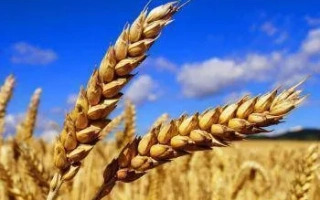
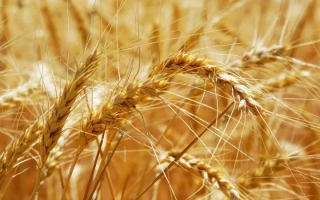
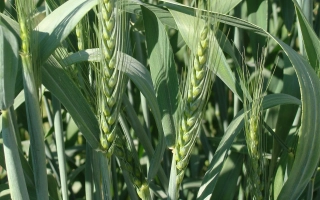
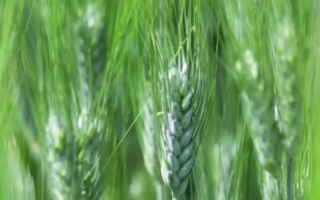
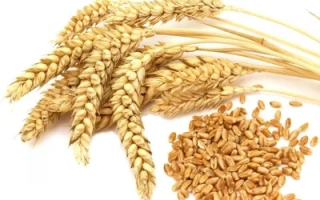
Meisa shows high resistance to major wheat diseases, such as powdery mildew, brown rust, fusarium, and others, with resistance ratings ranging from 7 to 9 points. The variety also demonstrates good drought tolerance (7 points), making it suitable for intensive and resource-saving agriculture. Grain has a thousand-grain weight of approximately 42 g, and ears are pyramidal in shape with white or straw-yellow coloration. For storage, it is recommended to maintain a temperature of +7–10°C and moisture content not exceeding 10%.